US common stocks / ADRs: top 10 by volume; top 10 gainers (by % change, volume as tie-breaker); top 10 losers (by % change, prefer liquid names). Deep notes cover the de-duplicated set across the three boards.
30 names on this page · volume 10 · gainers 10 · losers 10
Order: volume board → gainers → losers; each ticker appears once. Summaries of public information only — please verify primary sources.
1/10NVDA NVDA
-2.91%
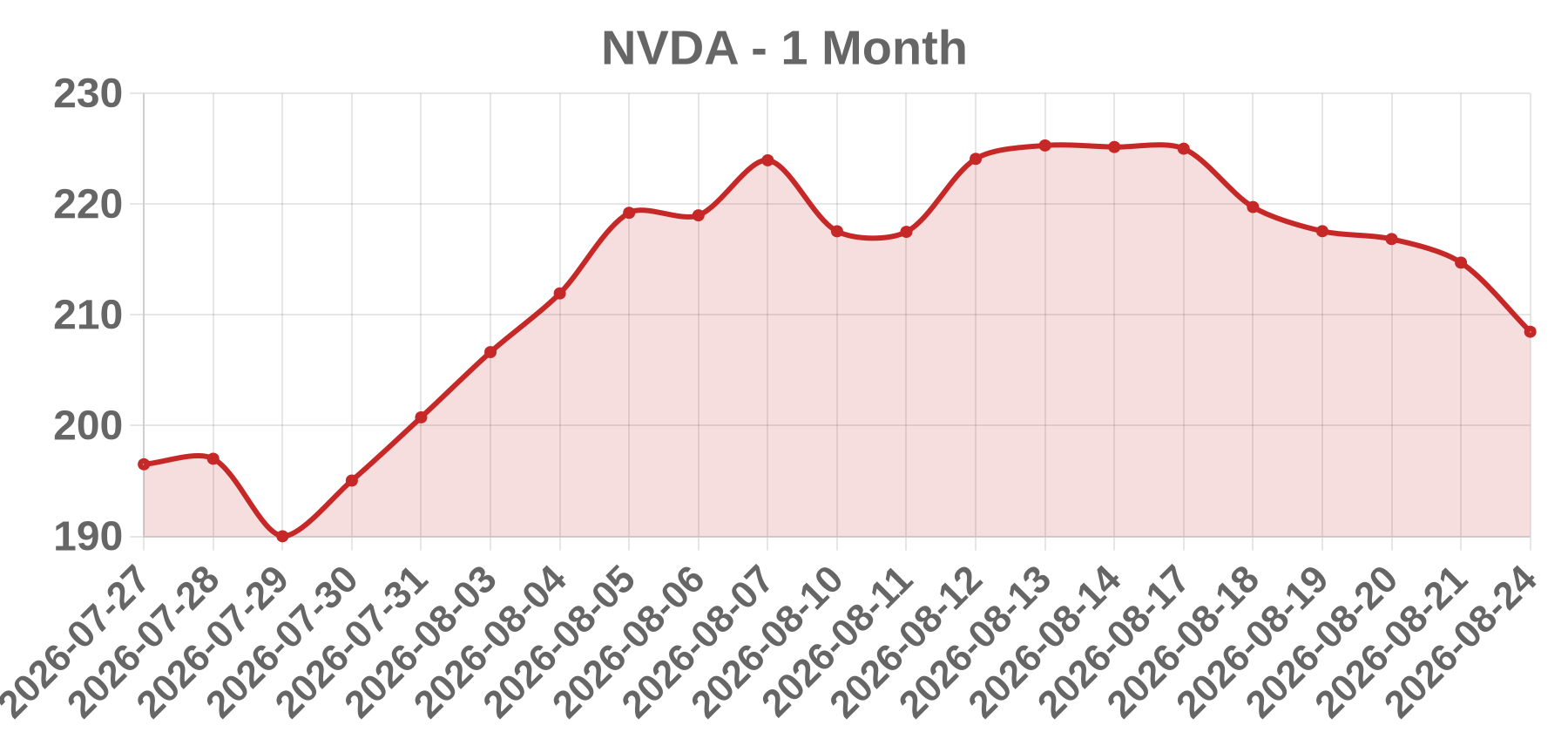
Close 208.48 · Vol 134.50M · Type: Earnings
Approx. 1-month price (illustrative)
Business NVIDIA Corporation, listed on NASDAQ (ticker NVDA), is the leading designer of graphics processing units (GPUs) and the dominant supplier of AI-accelerator data-center processors. Its data-center segment, centered on the Blackwell architecture and next-generation Vera Rubin platform, generated $193.7 billion in revenue in fiscal 2026, and its top three hyperscaler customers account for roughly 54% of revenue.
Today’s take NVIDIA fell 2.91% (-$6.24) on Aug 24, 2026, closing at $208.48 in its seventh consecutive down day - the longest losing streak since 2022, erasing 6.69% over seven sessions. The primary driver was de-risking ahead of the pivotal fiscal Q2 FY27 earnings report on Aug 26, where Wall Street expects revenue near $92.3 billion (+97% YoY) and adjusted EPS of $2.09. Layered on top was weekend Bloomberg news that NVIDIA notified big customers of AI-server price hikes exceeding 15% (for Vera Rubin and Grace Blackwell systems shipping early 2027) due to surging DRAM/memory costs, raising margin and demand-destruction concerns. A broad semiconductor selloff compounded the drop: the Philadelphia Semiconductor Index fell 4% (Micron -7%, Intel -5%, AMD -4%, TSMC -3%). Valuation compression also weighed, with forward P/E sliding to ~18x, amid scrutiny of 'circular financing' from the Aug 10 $500B Apollo/BlackRock/KKR program. Options were pricing a potential ~$313B swing in market value on the print.
Business Intel Corporation (NASDAQ: INTC) is a Santa Clara, California-based semiconductor company that designs, develops, manufactures, and sells computing and related products worldwide. Its three primary segments are Client Computing Group (CCG), Data Center and AI (DCAI), and Intel Foundry.
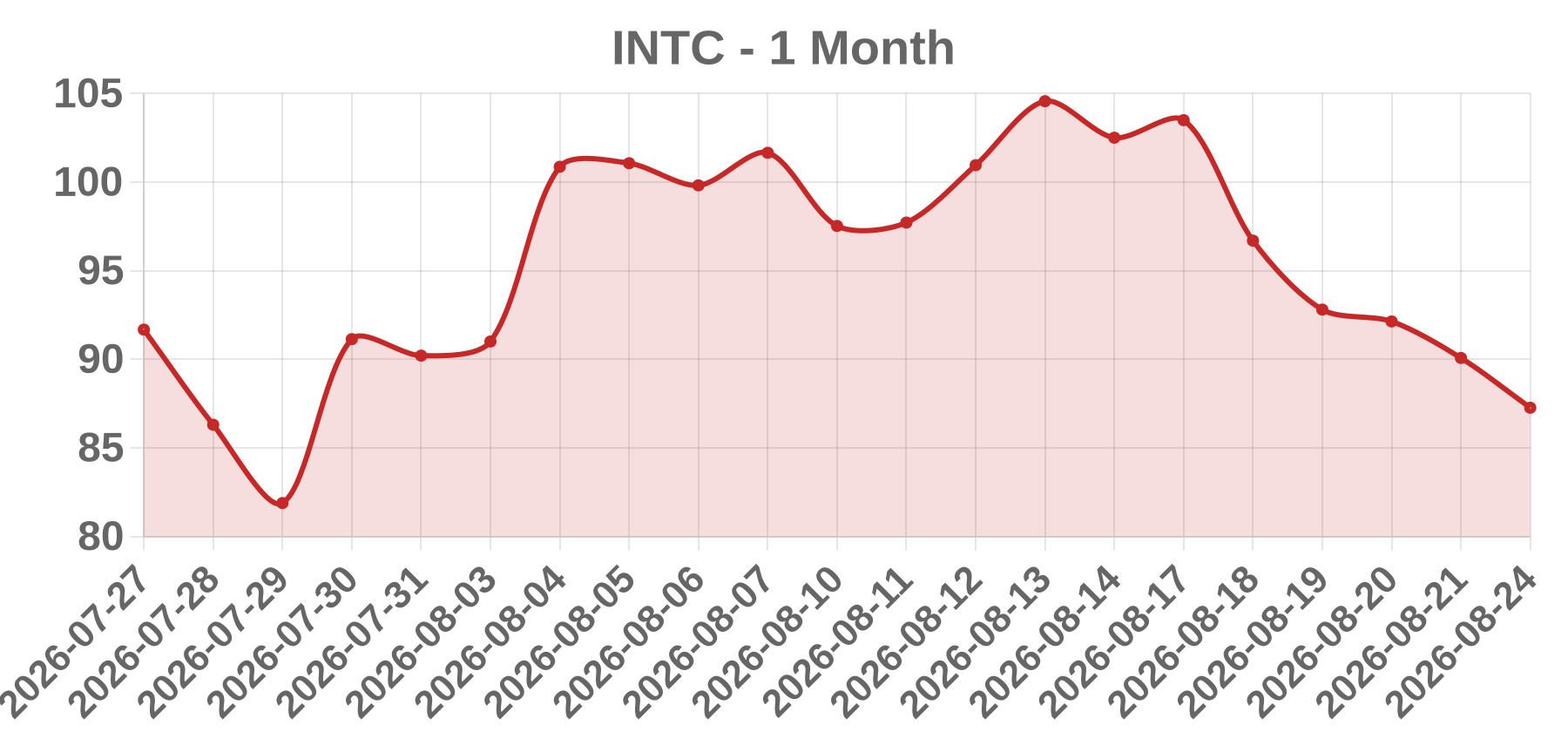
Today’s take Intel shares fell 3.12% to $87.26 on August 24, 2026 amid a broad semiconductor rout that saw the Philadelphia Semiconductor Index drop 4% intraday. The selloff was driven by investors reducing risk ahead of NVIDIA's Q2 FY2027 earnings (Aug 26, consensus revenue ~$92B, up ~97% YoY), compounded by Samsung's disappointing payout that hit memory names (Micron -7%, SanDisk -10%). Intel was also weighed by the supply overhang from its ~$23B secondary offering priced at $95/share on Aug 10 (242M shares, underwriters' option exercised in full); the stock has traded below the offer price since mid-August. Additionally, Mercury Research confirmed Intel's x86 CPU market share fell to 69.3% in Q2, a 31-year low, with AMD at 30.7%. Bank of America cut Intel's price target to $145 (from $160) citing 4-5% EPS dilution from the offering.
Business Plug Power Inc. (Nasdaq: PLUG) is a US-based leader in turnkey hydrogen and fuel cell solutions, providing electrolyzers, fuel cells for material handling, and green hydrogen production for the global clean-energy transition.
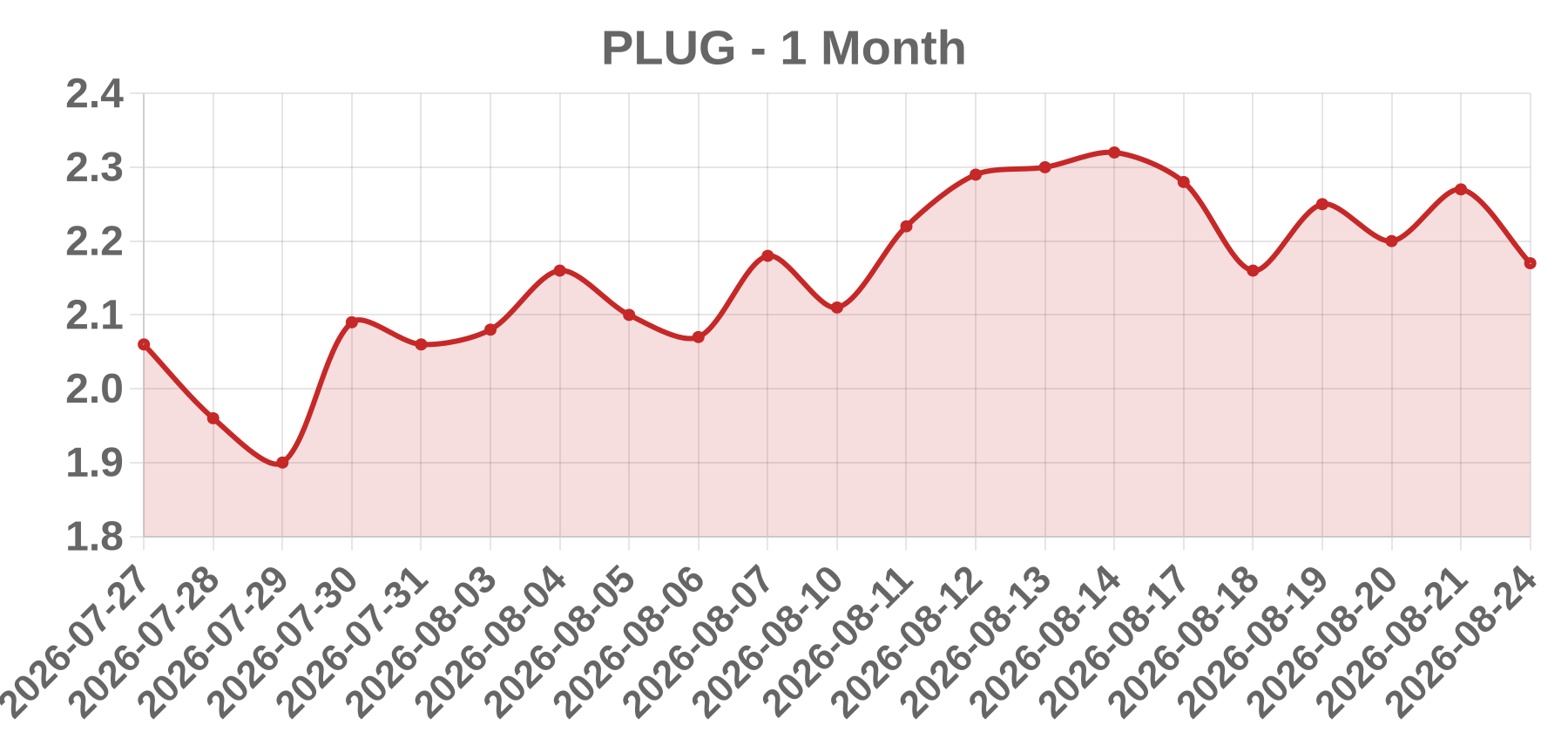
Today’s take On Monday 2026-08-24, PLUG closed at $2.17, down 4.41% (-$0.10) on ~76.8M shares. The decline was driven primarily by a structural rotation INSIDE the hydrogen/fuel-cell trade rather than a single fresh corporate event. Clean-peer Bloom Energy (BE) climbed ~3% the same session (up 132% YTD on AI data-center solid-oxide fuel-cell demand) while Plug (only +15% YTD, ~$3B market cap) sold off on its capital-intensive, cash-burning green-hydrogen model. The holding day was layered on top of a latent overhang: days earlier (Aug 19-20) the DOE withdrew its $1.66B conditional loan guarantee (no drawdown by the long-stop date) and Plug cancelled its 100MW Antwerp Belgium project, booking a ~$15.8M impairment. Friday Aug 21 saw a +3.3% relief bounce to €1.94 before Monday's -4.4% reversal. Adding pressure, Citi reaffirmed its Sell (Aug 19) on liquidity/cash-burn risks; BMO reiterated Sell with a $1.30 target. Rising Treasury yields also pressured speculative clean-energy names. Session volume of ~76.8M exceeded the ~60M average by ~27%, confirming heightened catalyst-driven distribution.
Business Bitmine Immersion Technologies, Inc. (NYSE: BMNR), formerly Sandy Springs Holdings, is a blockchain and digital-asset treasury company focused on accumulating, holding, and actively managing Ethereum (ETH) as its primary treasury reserve asset. It is the world's largest corporate ETH holder and the second-largest public crypto treasury company behind Strategy. The company also operates institutional staking infrastructure (MAVAN), bitcoin mining, and early-stage blockchain ('moonshot') investments, led by CEO Chi Tsang and Chairman Tom Lee.
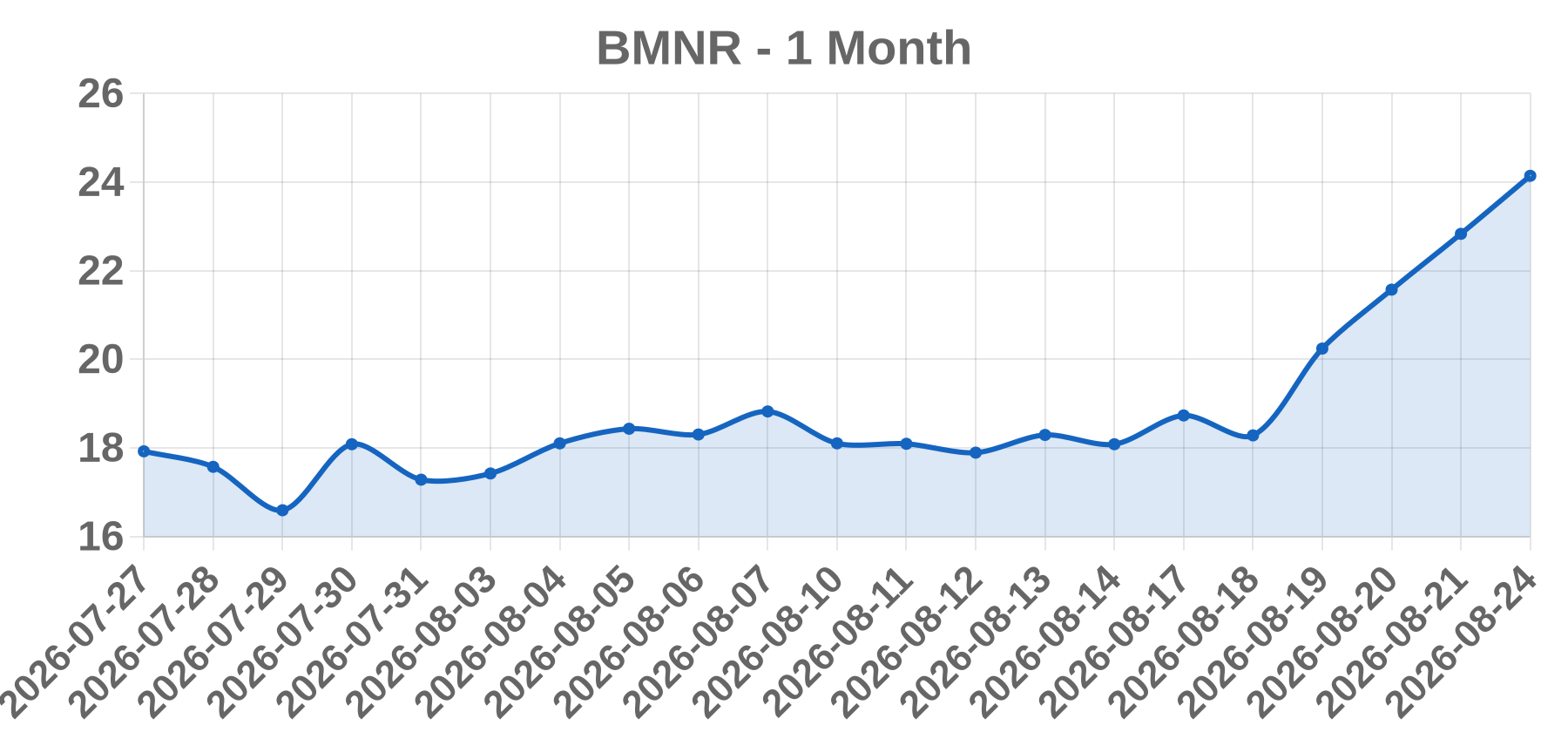
Today’s take BMNR gained +5.74% to $24.14 on 2026-08-24 after announcing via press release and Form 8-K that its ETH treasury reached 5.85 million tokens (5,847,611 ETH at $2,440/ETH), with total crypto, cash, marketable securities, and moonshot investments at $14.9 billion. The company added 32,447 ETH during the prior week — its largest weekly purchase since early July (~$81M) — and now holds ~4.8% of Ethereum's circulating supply, nearing its stated 5% accumulation target. Chairman Tom Lee highlighted that ETH gained ~30% in the past week (largest since May 2025), declared 'the upside move in ETH was overdue' and that 'the bitcoin bear market is over,' citing Wall Street tokenization, agentic-AI, and White House crypto support as tailwinds. The disclosure also noted 5,067,309 staked ETH (~$12.4B) with projected annualized staking revenues of ~$330M and a 7-day yield of 2.67%. Sector peers rose in lockstep, confirming a crypto-treasury equity rally. Previous close was $22.83; $24.14 - $22.83 = +$1.31 (+5.74%), fully consistent.
Business MARA Holdings, Inc. (NASDAQ: MARA) is one of the largest publicly traded Bitcoin miners, operating ~1.7 GW of mining capacity across 15 data centers on four continents. The company is pivoting toward AI-ready and high-performance computing (HPC) digital infrastructure while holding a substantial Bitcoin treasury (~35,577 BTC as of June 30, 2026).
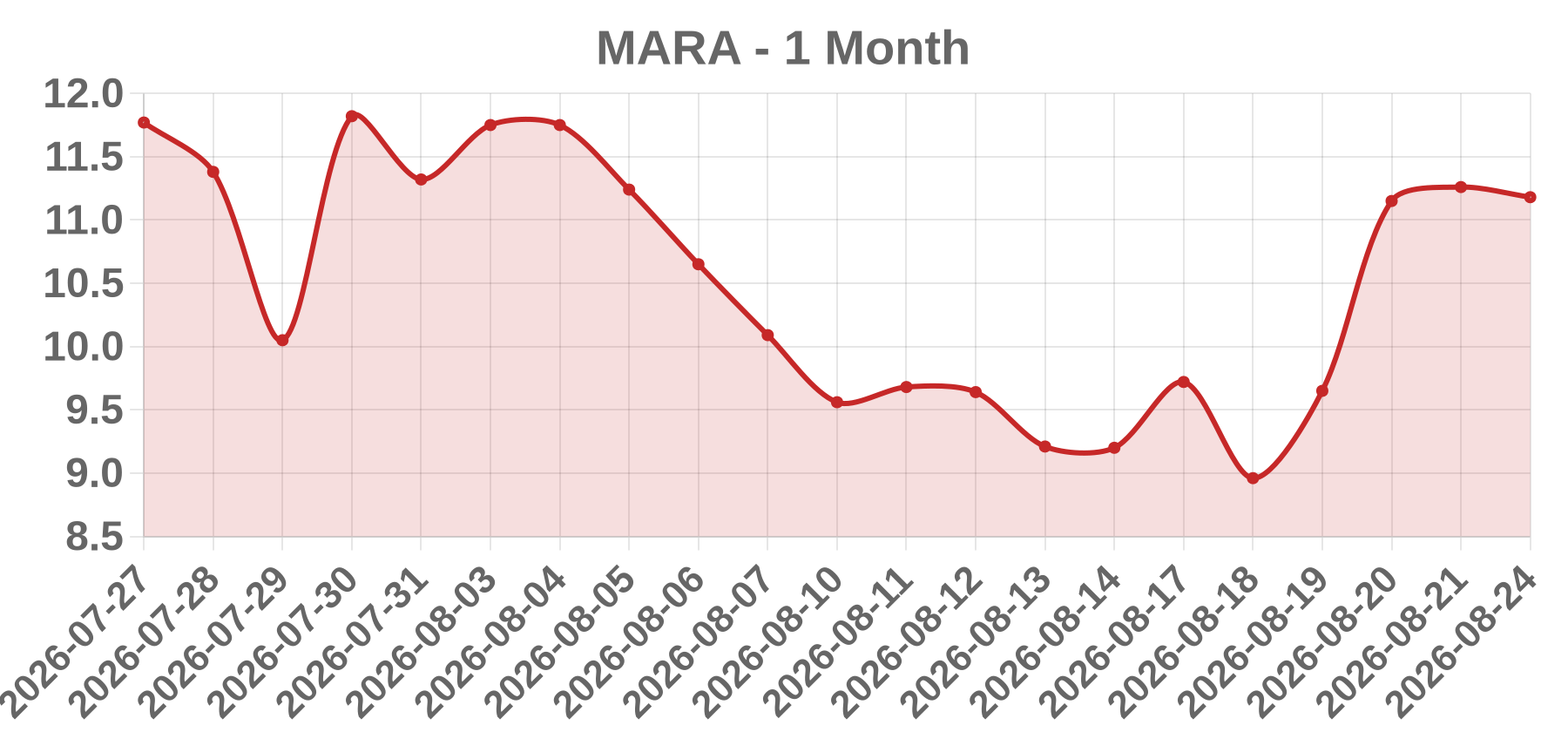
Today’s take MARA fell 0.71% to close at $11.18 on Aug 24, 2026, after opening at $11.17 and spiking to an intraday high of $12.06 before giving back all gains. The session was a profit-taking/mean-reversion consolidation following a parabolic Bitcoin-driven surge (MARA +22.4% in the week, vs Bitcoin +24.4%; +7.70% on Aug 19, +15.54% on Aug 20, +0.99% on Aug 21). Bitcoin held around $78,000 on Aug 24 after breaking out of a year-long range, with BTC ETFs posting strong weekly inflows, but high-beta miners decoupled and lagged the digital asset. MARA's failure to sustain above the psychological $12 level—rejected near its Aug 21 intraday high of $12.47—signals fading momentum after the short-covering/sell-the-news reversal. No company-specific fundamental catalyst (earnings were Aug 6, showing a $611M Q2 loss) occurred on this session; the move was purely sector/crypto-driven profit-taking.
Business UiPath, Inc. (NYSE: PATH) is a New York-based business orchestration and automation software company that provides a robotic process automation (RPA) and AI/agentic platform. Its enterprise software enables AI agents, software robots, people, and models to work together in coordinated workflows, serving banks, hospitals, and governments globally.
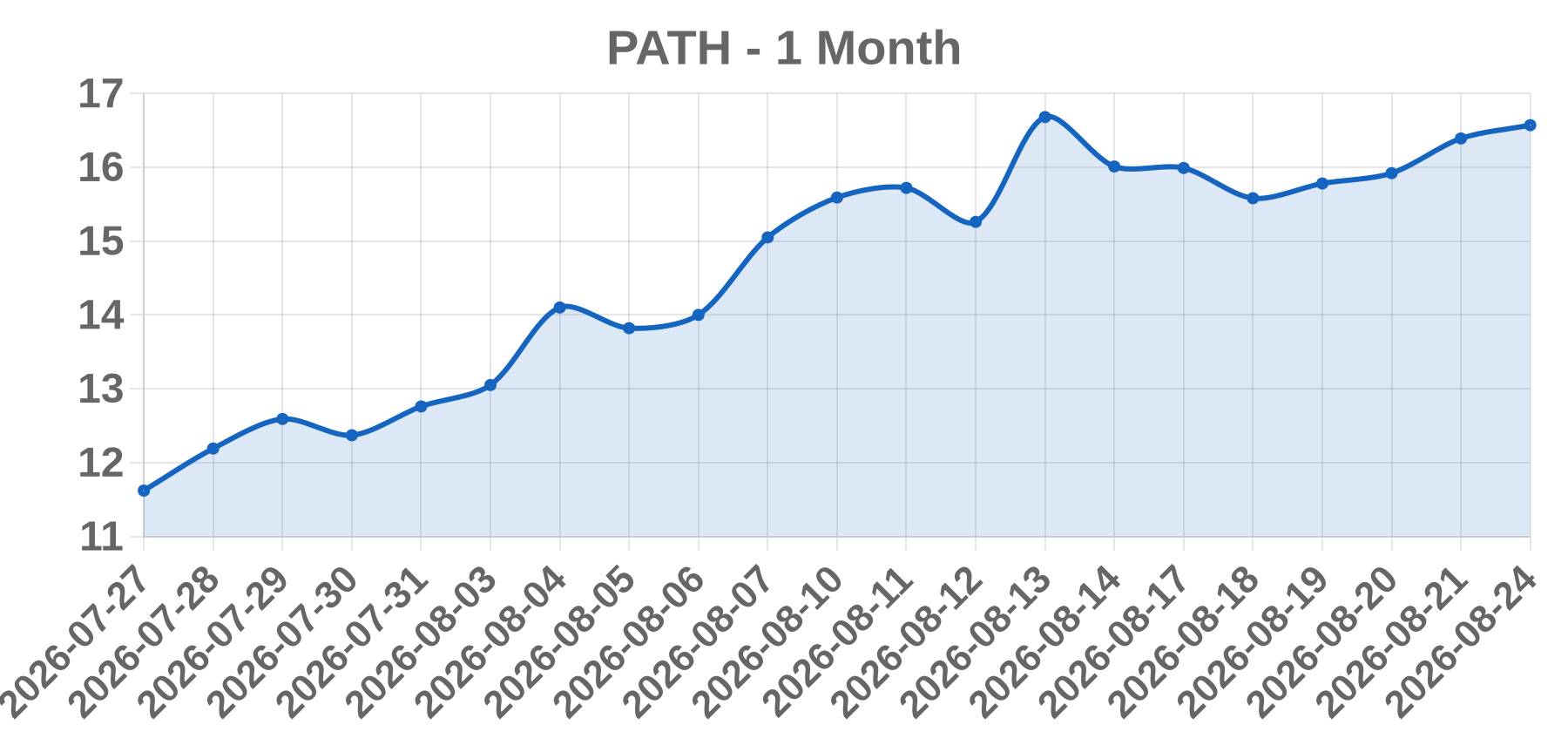
Today’s take On Aug 24, 2026, PATH closed at $16.57, up +1.10% (+$0.18) from the prior close of $16.39, outperforming the S&P 500, which fell -0.28% that session. The move was anchored by an upbeat Q2 earnings preview published that morning (Seeking Alpha, Aug 24, 7:30 AM ET), which reiterated a 'Buy' rating citing 18-21x forward earnings and modeled ~31% upside, ahead of the Q2 FY2027 report due Sep 3. Consensus expects EPS of $0.15 (flat YoY) on revenue of ~$397.6M (+9.9% YoY). The rally extended a broader bullish re-rating: the stock was up ~51% over the prior month, driven by first-ever GAAP profitability in Q1 FY2027, the UiPath Maestro Flow launch (Aug 19), an RBC price-target hike to $15 from $12, and strong positioning in agentic automation. A CEO insider sale of 1.4M shares (~$22.5M) on Aug 19 was largely ignored.
Business Space Exploration Technologies Corp. (SpaceX), trading on NASDAQ under SPCX, is an aerospace manufacturer, launch-service provider and satellite-communications company founded in 2002 by Elon Musk and listed via a record-setting IPO on June 12, 2026 at $135/share, valuing the company around $1.83 trillion. It operates through three segments: Space (designs, manufactures and launches reusable rockets — Falcon 9, Falcon Heavy and Starship — for commercial and government customers, including NASA and U.S. national-security payloads), Connectivity (Starlink, a low-earth-orbit satellite broadband and mobile network that is the company's largest, steadily profitable revenue driver), and AI (an integrated platform spanning the frontier large-language model Grok, the X platform and COLOSSUS comput
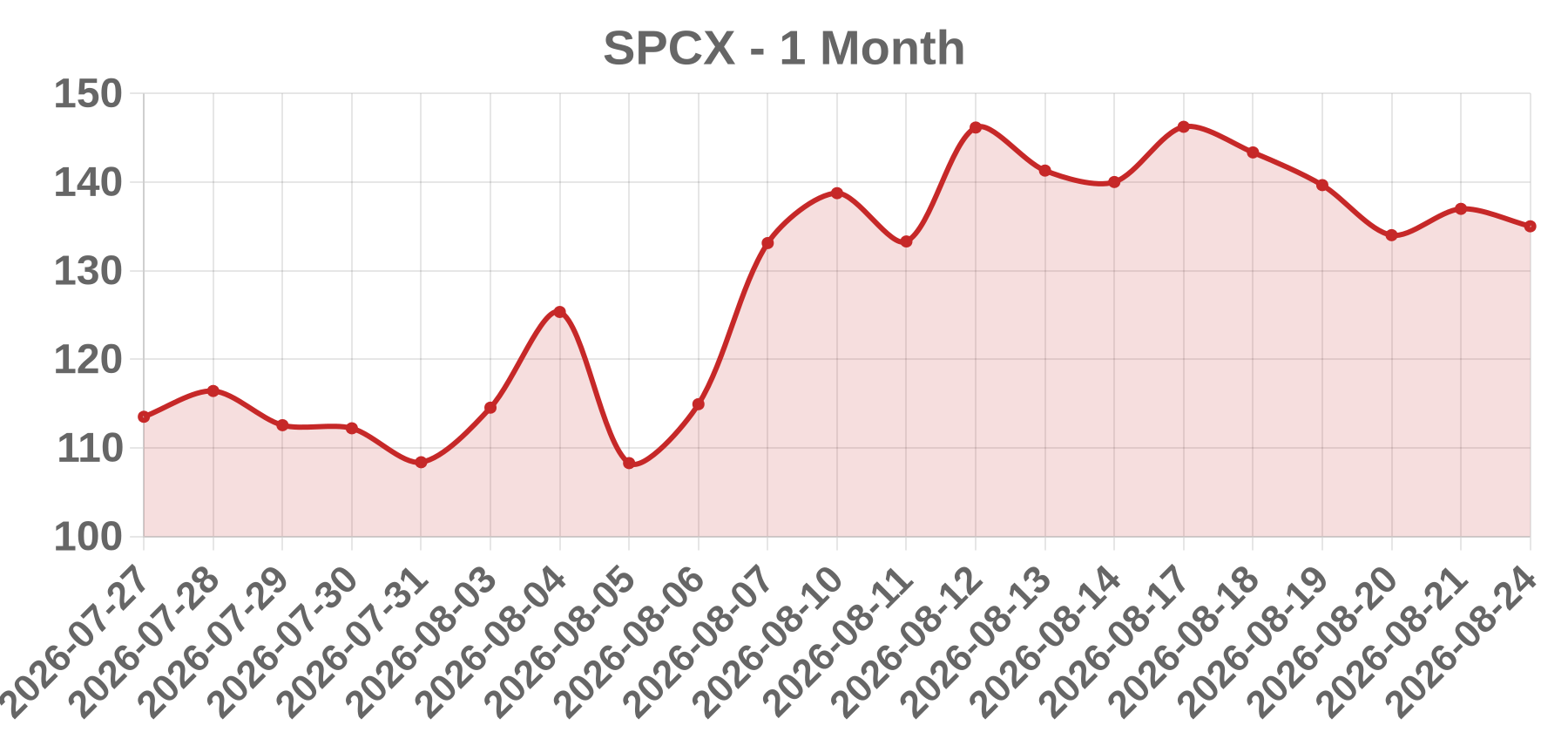
Today’s take The August 24, 2026 session's decline to a close of exactly $135.00 (down 1.44%, or -$1.97) was driven by a confluence of two Trump-related news flows and lingering lockup-supply overhang. First, on Aug 24 President Donald Trump's financial disclosure — signed Aug 12 and made public Aug 22 — revealed he had purchased between $15,001 and $50,000 of SPCX stock on June 23, just 11 days after the IPO. The news broke in afternoon trading and knocked the stock about 1% on the day. Second, markets were also digesting the 'sell-the-news' reaction to Trump's Aug 20 memo directing federal agencies to target 1,000 commercial launches and re-entries per year by 2030; space names (SPCX, Rocket Lab, AST SpaceMobile) fell roughly 3% intraday as investors priced execution risk over policy optimism. Adding to the pressure, a second lockup expiration on Aug 20 freed roughly 319 million shares, and SPCX had slid 5.49% on Aug 21, leaving the shares pinned near the $135 IPO reference price. Technically, the session retested the $135 offer level, which analysts had flagged as having flipped from resistance to support. Notably, the stock appears on the 'WSJ_ACTIVES' tab even though volume was actually we
Business American Airlines Group Inc. (NASDAQ: AAL) is one of the world's largest airlines, operating a large mainline jet fleet plus American Eagle regional partners, with hubs across the US and extensive domestic and international routes. It generates revenue from passenger, cargo, and other airline services.
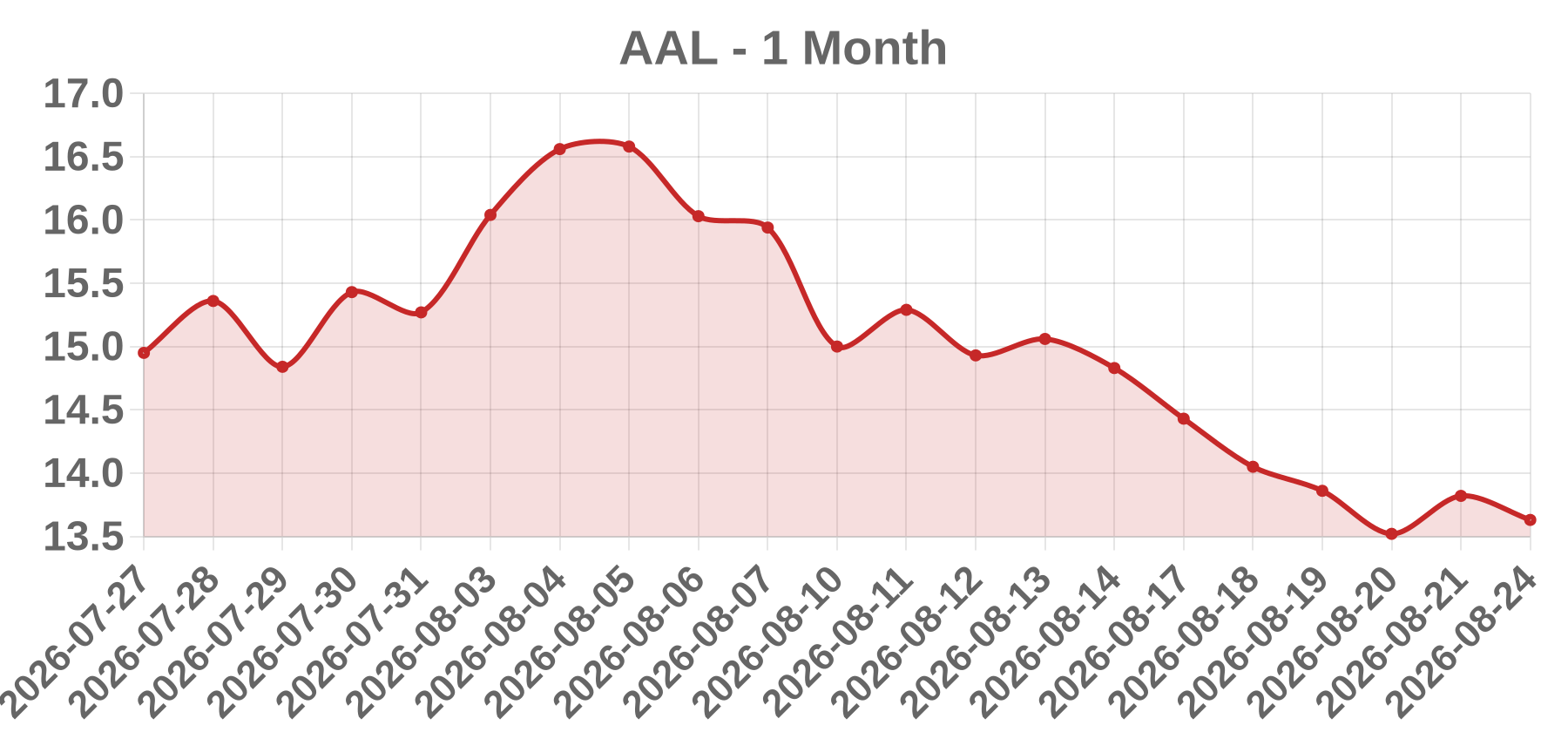
Today’s take On Monday, Aug 24, 2026, the stock sold off -1.37% to close at $13.63 despite opening higher near $13.96 and touching an intraday high of $14.07. The primary negative catalyst was TD Cowen analyst Thomas Fitzgerald maintaining a Buy but cutting the price target to $16.00 (from a Street average near $18.79-$18.93), implying limited upside. Compounding the pressure, TD Cowen designated United Airlines as its top airline pick the same day, signaling relative preference away from legacy carriers like American. The session was also framed by sector-wide estimate cuts from Raymond James (reported Aug 23-24), which raised its H2-2026 jet fuel price forecast ~18%, squeezing unhedged carriers' margins. This followed management's earlier-week cut to Q4 2026 capacity guidance to ~6.5% growth amid falling TSA throughput and a demand slowdown, keeping the stock under pressure into the session.
Business Ford Motor Company (NYSE: F), founded 1903 and headquartered in Dearborn, Michigan, designs, manufactures and sells Ford trucks, SUVs, commercial vans, cars and Lincoln luxury vehicles globally. It operates through Ford Blue, Ford Model e, Ford Pro and Ford Credit segments, with core nameplates including F-Series, Super Duty, Mustang, Bronco, Ranger and Explorer.
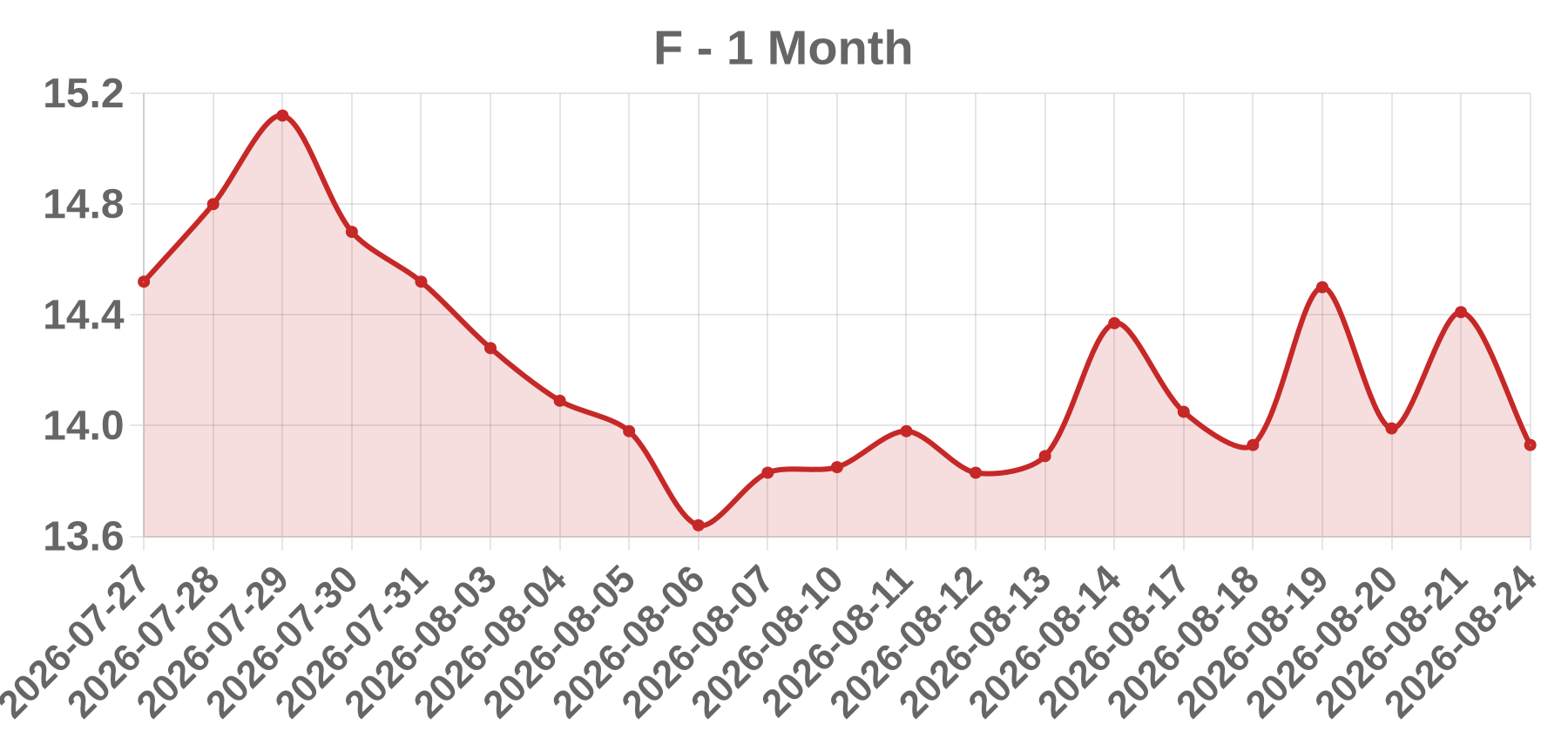
Today’s take On Aug 24, 2026, President Trump threatened (via Truth Social) to raise US tariffs on all Canadian cars, trucks, auto parts and steel to 50% effective Jan 1, 2027, escalating a trade war that erupted after weekend talks collapsed and 50% tariffs were imposed on ~$20B of Canadian goods. Ford was disproportionately hit, falling 2.98% to $13.93 — its biggest one-day drop since June 10 — because it committed ~$3B (with roughly $5B total retooling) to shift F-Series Super Duty pickup production (F-350/450/550) to its Oakville, Ontario plant, set to begin later in 2026 with up to 100,000 units annually. Trump's carve-out squeezed medium/heavy trucks, directly targeting Ford's Ontario footprint. The existing 25% auto tariff applies only to non-US content; the new proposal, while effective Jan 1, 2027 (leaving room for negotiation), pressured Detroit margins via higher steel/parts costs. GM (-1.2%) and Stellantis (-3.3%) fell less given lower Canadian export exposure (~2% of GM US sales). US steelmakers rallied on the same news. The risk now is that a $1B-plus annual Ford tariff burden grows substantially if the 50% levy stands.
Business NIO Inc. (NYSE: NIO; HKEX: 9866.HK) designs, develops, manufactures and sells premium smart electric vehicles (EVs) in China, Europe and internationally. Founded in 2014 by Chairman & CEO William Li, the company differentiates through proprietary battery-swapping (Power Swap) infrastructure, NIO Power home-charging and autonomous-driving software, and now operates a multi-brand strategy spanning the premium NIO line, mass-market ONVO and entry-level Firefly.
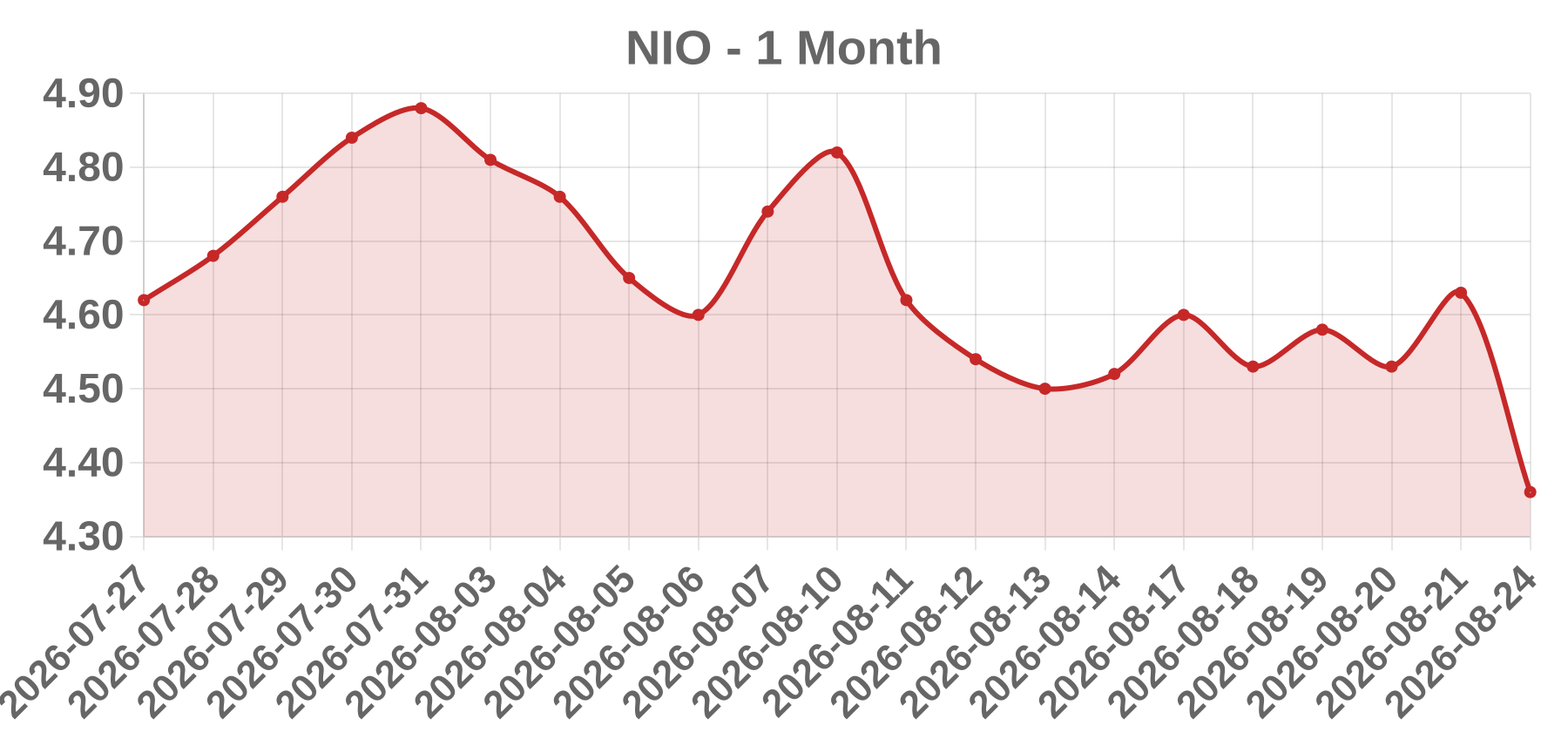
Today’s take NIO fell 5.83% to $4.36 on Aug 24, 2026 — a new 52-week low — dragged down primarily by peer XPeng's Q2 earnings miss delivered pre-market. XPeng posted a wider-than-expected loss (adjusted EPS of RMB -1.29 vs. RMB -0.29 consensus) and Q3 revenue guidance of RMB 21.70-23.40B, ~15% below the RMB 25.88B consensus, prompting XPeng to shed ~7% and dragging the whole China EV complex lower. The sell-off was compounded by a record China recall of ~4.3M EVs (2.98M Teslas) over inaccessible electronic/hidden door-handle safety issues, which pressured the entire sector. Sentiment also reflected softness in NIO's own fundamentals: July deliveries fell to 35,934 units vs. June's 40,597, European expansion is stalling amid shrinking inventory and sharply lower registrations, and Q2 13F filings showed heavy institutional rebalancing (D.E. Shaw -52.5%, JPMorgan -59%, Deutsche Bank -17.9%; partly offset by Morgan Stanley +86.2% and UBS +56.1%). Anxiety ahead of NIO's own Q2 earnings on Sept 1 amplified the decline as traders repriced upcoming results.
Business Expion Energy, Inc. (formerly Expion360 Inc.; Nasdaq: XPON), headquartered in Redmond, Oregon, is a leader in premium lithium iron phosphate (LiFePO4) batteries and accessories for recreational vehicles, marine, light EV, and industrial applications, distributed through 300+ dealers, wholesalers, private-label customers, and OEMs. In August 2026 the company broadened its operating strategy by entering the oil & gas exploration sector, acquiring a drill-ready Eastern Louisiana prospect to capture natural gas demand from AI data centers and LNG export markets.
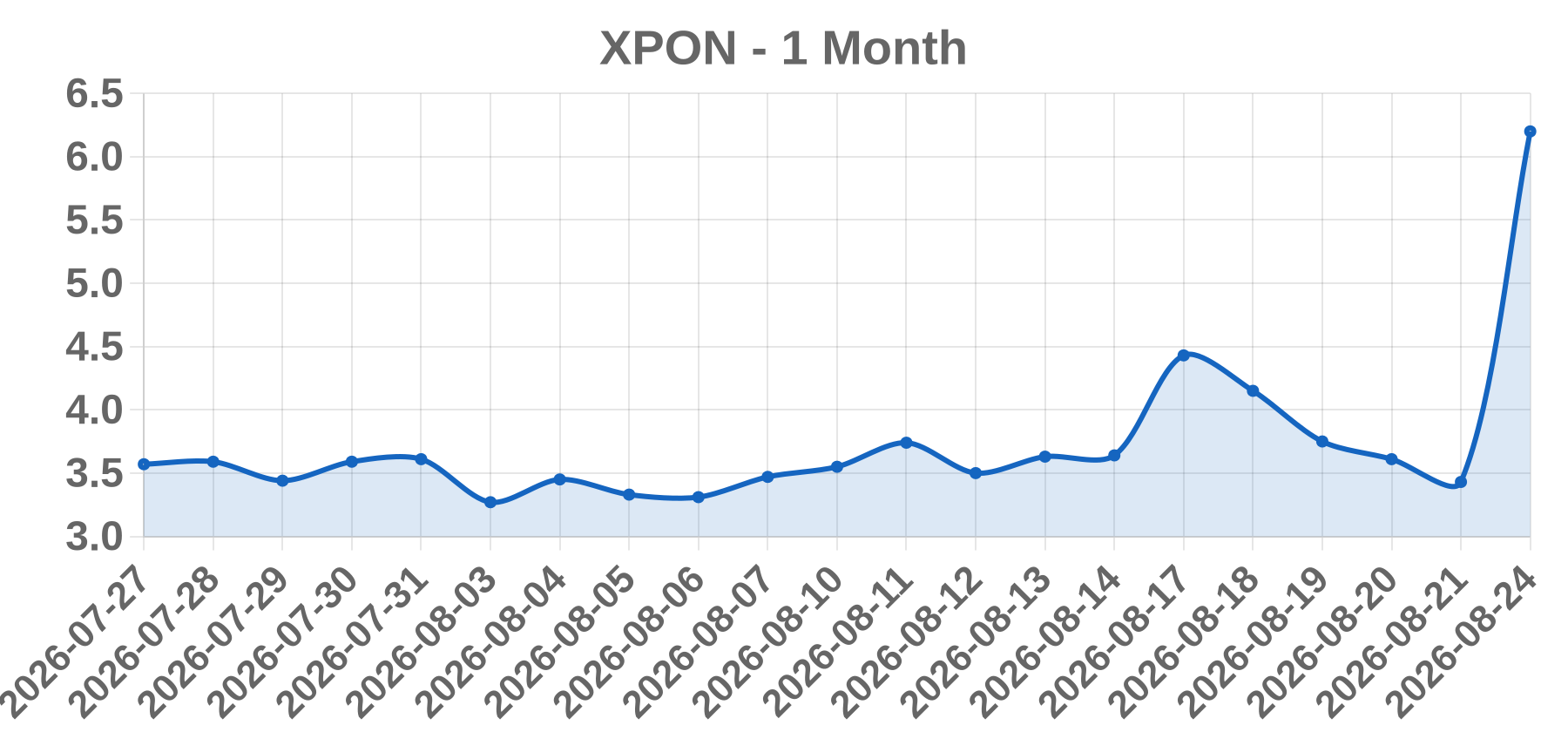
Today’s take XPON surged +80.49% to close at $6.20 (from a $3.44 prior close) on 2026-08-24, opening at $7.77 and hitting a $9.26 intraday high (as much as +133%). The move was a Nasdaq top-gainer event driven by a concentrated catalyst cluster: (1) a $3.425M cash acquisition of an Eastern Louisiana oil & gas exploration prospect — the company's first foray into oil & gas, transforming it from a lithium battery maker into an energy explorer, with an Exploration Agreement committing up to $4.0M to leasing and a target to drill/test a lateral wellbore by Feb 15, 2027; (2) a corporate name change to Expion Energy, Inc. effective Aug 20; (3) the appointment of energy-industry veteran Kevin Sellers as CEO, effective Aug 24; and (4) an initial $9.0M closing (Aug 21) of an 8% Convertible Debenture + Warrant private placement (net ~$8.2M), with potential for up to $91.0M additional investments, funding the acquisition. The narrative pivot to oil & gas with AI-data-center and LNG demand exposure fueled a speculative, retail-driven re-rating.
Business Sadot Group Inc. (Nasdaq: SDOT) is a global agri-food and commodity supply chain company transitioning into an AI-powered commodity trading technology platform, anchored by its TradeOS risk-management platform and TradeIQ intellectual property acquired for about $6 million. The company, headquartered in Burleson/Fort Worth, Texas, is pivoting away from its legacy physical, capital-intensive trading model.
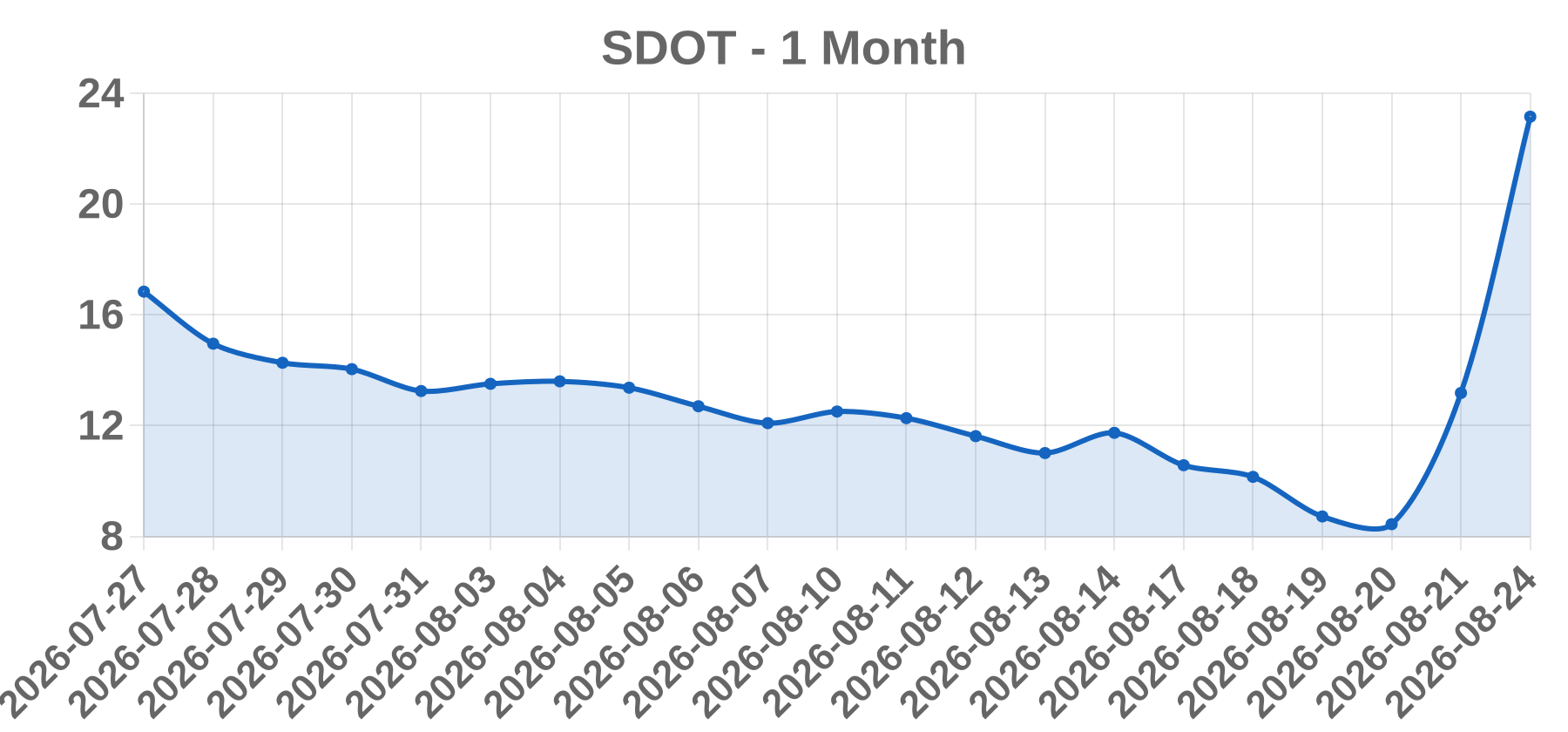
Today’s take SDOT closed at $23.16 on Aug 24, 2026, up 75.72% (+$9.98), after an SEC Form 8-K revealed the company eliminated its remaining February debentures. According to the filing and DayTraders coverage, Sadot settled the final $543,478.26 principal by issuing 67,936 shares at a fixed $8/share following an Aug 21 transaction, extinguishing all February debenture debt (~$1.08M total across three August swaps). This balance-sheet cleanup was a pure company-specific catalyst, coming on a weak tape (Nasdaq down ~150 pts). Amplifiers: a 1-for-20 reverse split (May 27) crushed the public float to ~1.32M shares, so roughly 30M shares traded (~23x float, ~6x average volume) produced outsized percentage moves; the TradeOS AI platform booked ~$1.0M preliminary July revenue. Q2 revenue was $0.0M (vs $246.6M YoY) with $35.2M net income driven by a non-operating deconsolidation gain; cash was only ~$0.1M. The $8 conversion price sat ~65% below the Aug 24 close, signaling future dilution risk.
Business Picard Medical, Inc. (NYSE American: PMI), headquartered in Tucson, Arizona, is the parent company of SynCardia Systems LLC, maker of the SynCardia Total Artificial Heart (TAH) — the only U.S. FDA- and Health Canada-approved implantable total artificial heart for end-stage biventricular heart failure, with more than 2,100 implants across 27 countries. The company is also developing the next-generation Emperor Total Artificial Heart.
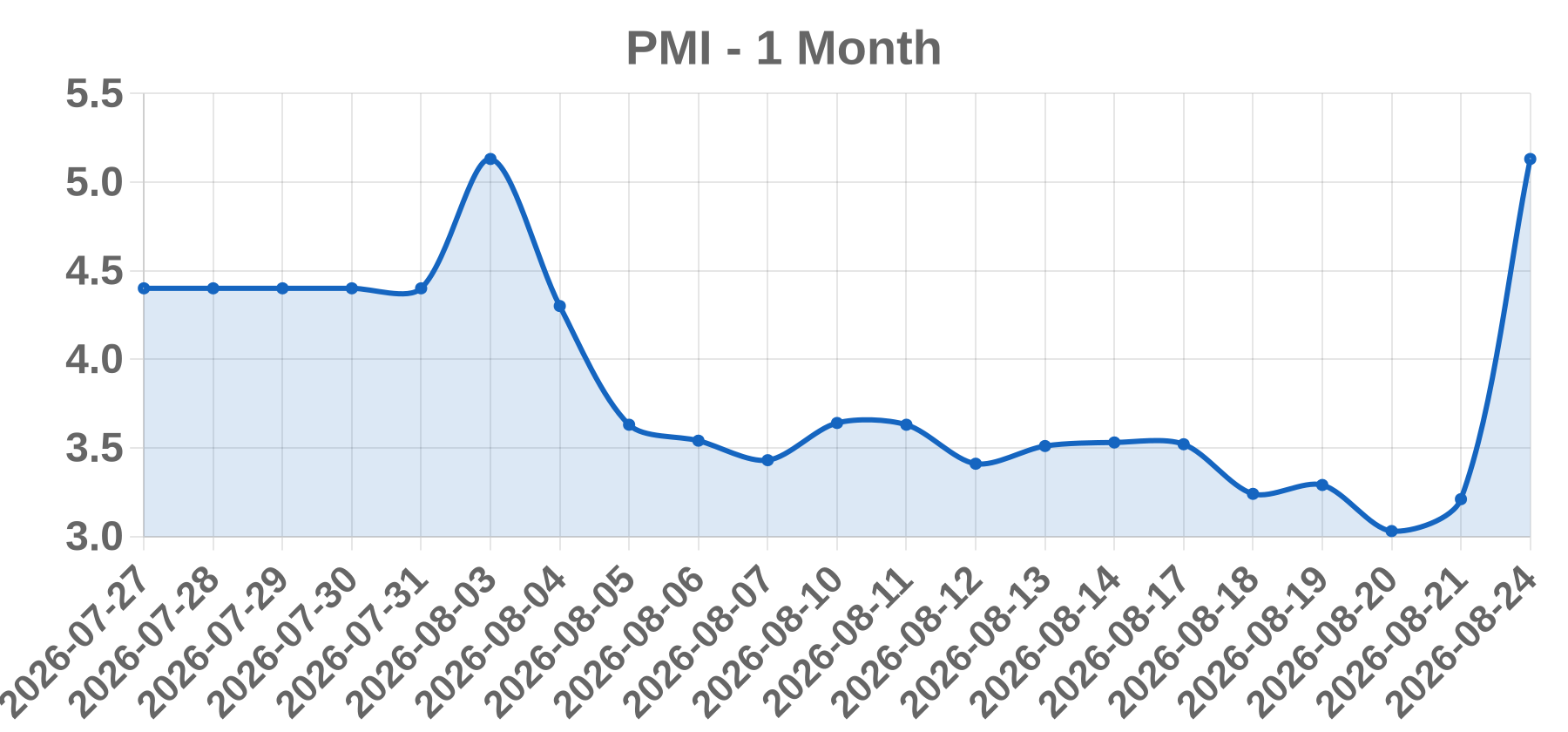
Today’s take Picard Medical reported Q2 2026 results on August 19, 2026 (after market close), posting revenue of ~$3.0M, up 39% YoY from ~$2.1M and nearly double the ~$1.55M street consensus. Gross profit swung to ~$0.6M from a ~$0.1M gross loss a year earlier, with gross margin improving 26.9 points to 20.9%, and net loss narrowing 16% to ~$5.7M. After jumping ~40% in the immediate post-earnings session, the stock continued ripping through the Aug 21–24 window as investors digested the beat, closing Aug 24 at $5.13 (+59.81%) versus $3.21 on Aug 21 (intraday range $3.97–$5.35). The outsized move was amplified by a 1-for-50 reverse stock split (effective July 31, 2026, to satisfy NYSE American listing compliance) and a tiny public float of ~2.34M shares. However, the rally sits on a very weak balance sheet — just $38K cash at June 30 against ~$5.15M H1 cash burn — leaving dilution and financing risk high.
Business Future Vision II Acquisition Corp. is a Cayman Islands special-purpose acquisition company (SPAC / blank-check company) listed on NASDAQ with headquarters in Shanghai, China. It has no operating business or revenue, holding IPO proceeds in a trust account solely to effect a business combination with a private target. It is pursuing a merger with MicroTouch Technology Inc. pursuant to a January 16, 2026 merger agreement. CEO is Dan Hua Xu.
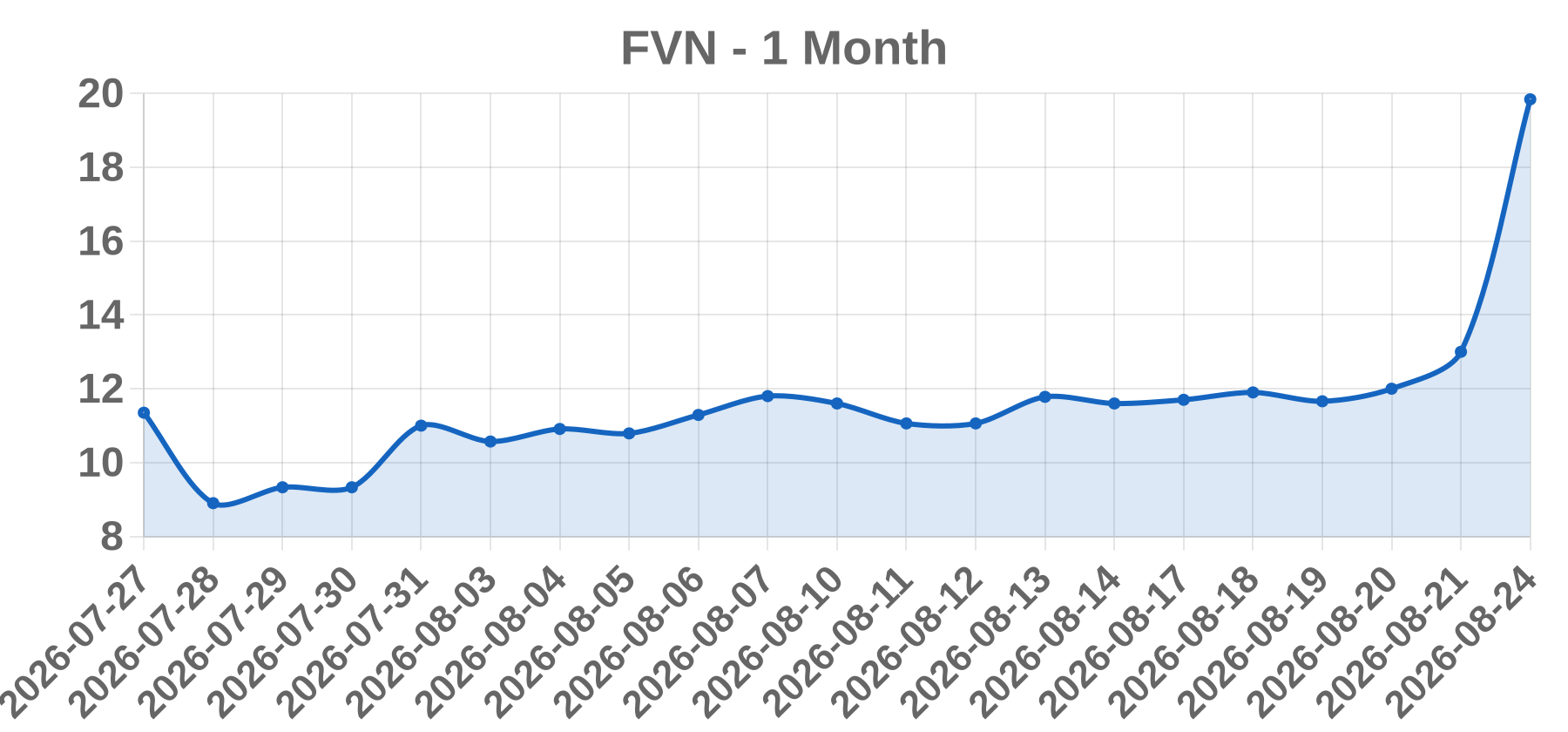
Today’s take On 2026-08-24, FVN ordinary shares surged +52.62% to close at $19.84, ranking No. 8 on the U.S. gainers list that session (units FVNNU +55.36%, BTCT +52.63% nearby). Price action was extreme: opened $12.90, high $21.88, low $12.00 versus a prior close of $13.00 (8/21), with volume ~291k (Motley Fool shows avg vol of just ~94.7k, making this roughly 3x normal). The session featured a Nasdaq volatility trading pause/halt with trading resumed per TheFly on 8/24 at 13:55 EDT. Context: this is a SPAC whose shareholders already approved the MicroTouch merger on July 23, 2026; an Extension EGM (per the 8/18 8-K clarifications) seeks to extend the business-combination deadline to 2027, with a redemption deadline of 8/19/26. The surged price traded at a heavy premium to the ~$10-11 trust value. Short interest is negligible (~0%), so this was NOT a squeeze; it appears to be a liquidity/speculative momentum run-up coinciding with the shareholder vote, amplified by intraday volatility halts.
Business TJGC Group Limited (Nasdaq: TJGC), formerly Ctrl Group Limited until its October 2025 rename, is a Hong Kong-based integrated marketing and advertising company. Through subsidiary Ctrl Media Limited it provides one-stop advertising services to mobile gaming developers, using digital media, KOL/YouTuber content, offline exhibition, and physical media channels. The small-cap (≈$61M market cap) was incorporated in 2022 and listed on the Nasdaq Capital Market on January 22, 2025.
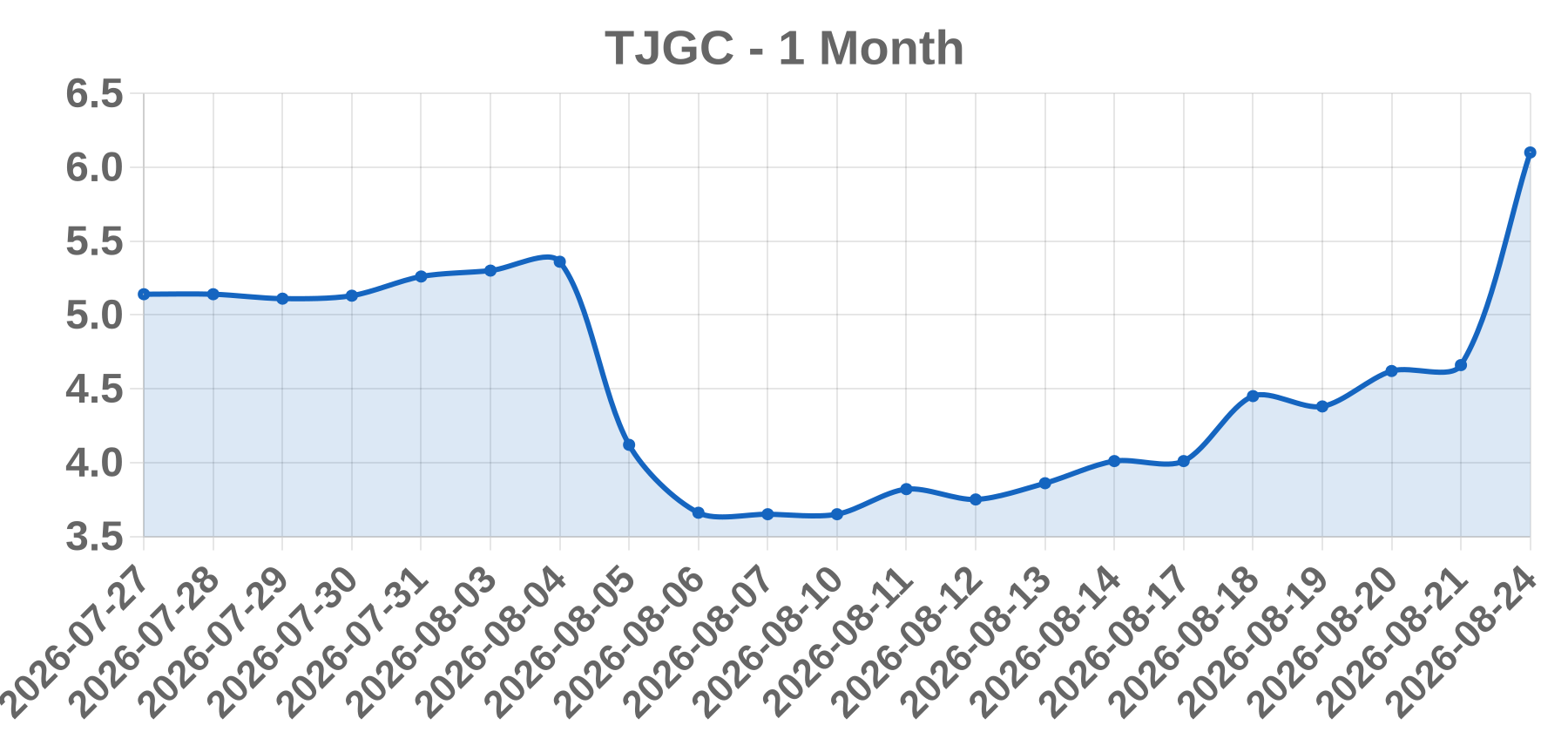
Today’s take On 2026-08-24, TJGC spiked +30.90% to close at $6.10 (after opening $4.62 near the prior close of $4.66, hitting an intraday high of $6.39) on volume of ~4.93M shares — roughly 8x the typical average and far above the 20-day average of ~1.73M. No new company press release was issued that day; the surge was a momentum/short-squeeze continuation of the sharp recovery that began after the Aug 6 intraday low of $3.18, fueled by the Aug 10 announcement that TJGC is negotiating a non-exclusive worldwide AI & robotics technology license, plus the effective Aug 12 seven-class dual-class share redesignation. As a micro-cap with a tiny ~6.35M float and heavy insider (37%) but negligible institutional (0.97%) ownership, the stock is prone to outsized runs — its 52-week range is $1.46–$7.65 and it lost ~98% from highs in 2026 before this bounce. The gap-less open followed by an intraday parabolic run with 8x volume is classic retail momentum/short-squeeze behavior riding the AI narrative.
Business Gogoro Inc. (NASDAQ: GGR) is a Cayman Islands-incorporated, Taipei-headquartered global technology leader in battery-swapping electric mobility. It designs and markets electric two-wheelers, modular battery systems, and a scalable energy-distribution network (Gogoro Network) with ~677,000 subscribers across 2,700+ GoStations, while also licensing its battery-swapping technology platform.
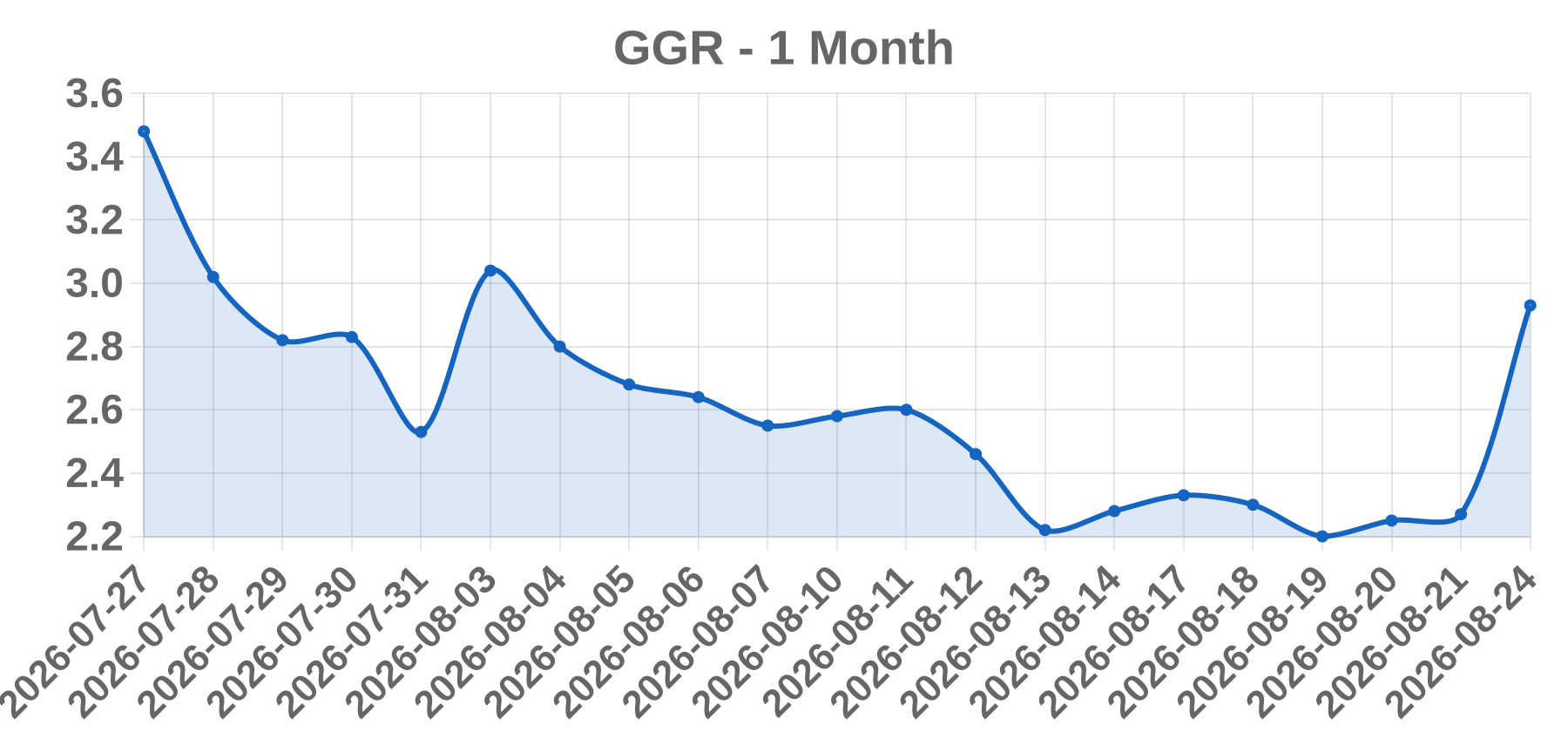
Today’s take Gogoro released Q2 2026 results before the open on Aug 24, 2026, driving a dramatic two-way session. The stock initially fell sharply in premarket (touching ~$2.02, an intraday low) despite improved numbers, then staged a massive intraday reversal to close at $2.93, up 29.07% (+$0.66) with a high of $3.38. Key fundamentals: revenue of $70.6M grew 7.3% YoY (10% constant currency) — the first YoY revenue growth in some time — while gross margin hit a 5+ year high of 22.6% (up from 0.3% a year earlier). Net loss narrowed by $21.6M to $4.9M from $26.5M, adjusted EBITDA rose to $19.3M from $12.5M, and H1 operating cash flow reached $26.0M (up 70%). Market share rebounded to 6% from 2%, and Gogoro-branded scooter registrations jumped 50.8% YoY, helped by new products (EZZY, Disney Toy Story, Gogoro Luna). Same-day CFO transition news (Bruce Aitken retirement, Jacky Lee as PFO) was an adjacent item, but the earnings beat and turnaround narrative were the primary catalysts for the buying, which overwhelmed the initial selloff. Trading volume of ~1.46M shares was roughly 53x the prior session, confirming a major event/reversal.
Business InterCure Ltd. (dba Canndoc) is Israel's largest licensed medical cannabis producer, listed on Nasdaq and TASE, operating a vertically integrated seed-to-sale model with GMP-certified pharmaceutical-grade products. Following the October 7, 2023 attacks it has been rebuilding its damaged Nir Oz facility and expanding into Germany.
Today’s take On Aug 24, 2026, InterCure finalized a NIS 230 million (~US$77M) settlement with the Israeli Tax Authorities and Compensation Fund for indirect war damages from the Oct 7, 2023 Hamas attacks, after an earlier claim of >NIS 300M and NIS 101M in advance payments. The funds are earmarked to accelerate restoration of the flagship Nir Oz cultivation/production facility and support the German medical cannabis expansion. The same day a 1-for-5 reverse split took effect (approved Aug 11 EGM; shares cut from 59.2M to ~11.8M) to regain Nasdaq's $1 minimum bid. The resulting jump from a 4.26 to a 5.48 close (+28.71%) is a genuine same-day fundamental move driven by the settlement, amplified on the split-adjusted price basis (post-split open ~5.44).
Business SuperX AI Technology Limited (formerly Junee Limited, ticker changed from JUNE to SUPX in June 2025) is a Nasdaq Capital Market-listed AI infrastructure solutions provider incorporated in the British Virgin Islands with headquarters in Singapore. Through subsidiaries SuperX Industries Pte. Ltd. and SuperX AI Pte. Ltd., it offers AI servers, High-Voltage Direct Current (HVDC) solutions, high-density liquid cooling, AI cloud and AI agents for enterprises, research institutions and cloud/edge deployments. IPO date was April 17, 2024.
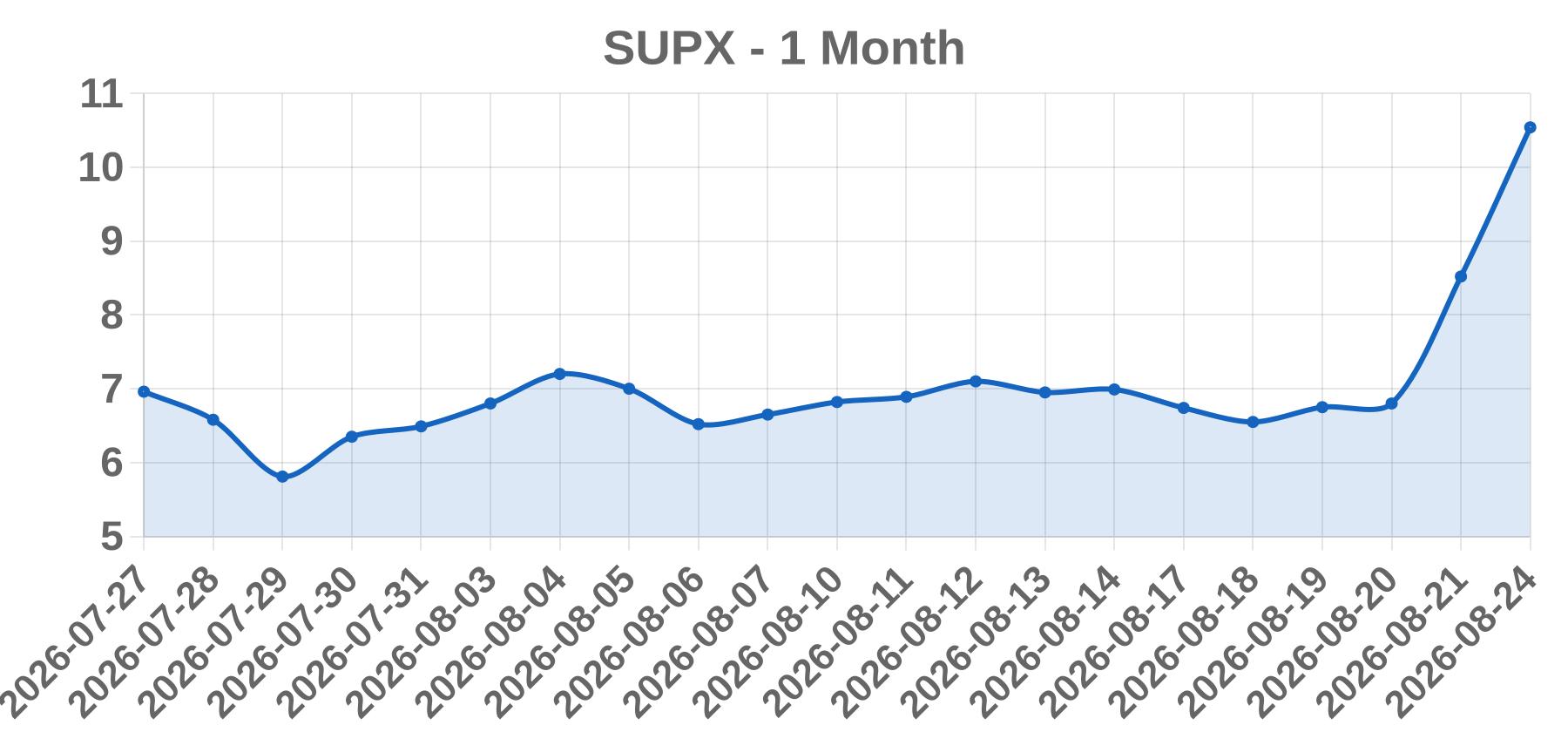
Today’s take SUPX closed +23.71% at $10.54 on 2026-08-24 (from $8.52 on Aug 21), a company-specific move with NASDAQ down ~0.5% and S&P flat. The surge was driven by an August 19 announcement that cumulative Pro6000 AI server deliveries to Digital Dynamic Inc., a Japan-based AI infrastructure firm, are on track to reach ~$38M by end-August 2026, plus ~$20M in new purchase orders secured and ~$28M in projects under production — the fourth consecutive round of purchase orders with the same client in 2026, signaling repeat-demand traction. Adding to the bullish tone, the board authorized a new $20M share repurchase program in early August after fully completing a prior $20M buyback (2.3M shares at avg $8.58). Stock rose 7.7% pre-market and closed +23.71%. It trades far below its $76.50 52-week high (low $5.61), so positive newsflow on this microcap had outsized impact.
Business AIFU Inc. (formerly AIX Inc., and previously Fanhua Inc.) is an AI-driven independent financial services platform in China, listed on NASDAQ under ticker AIFU. Through its subsidiary it distributes life, health, and non-life insurance products and claims-adjusting services in mainland China, targeting mass-affluent and high-net-worth clients. The company is headquartered in Shenzhen and underwent a 1-for-20 reverse stock split effective June 16, 2026.
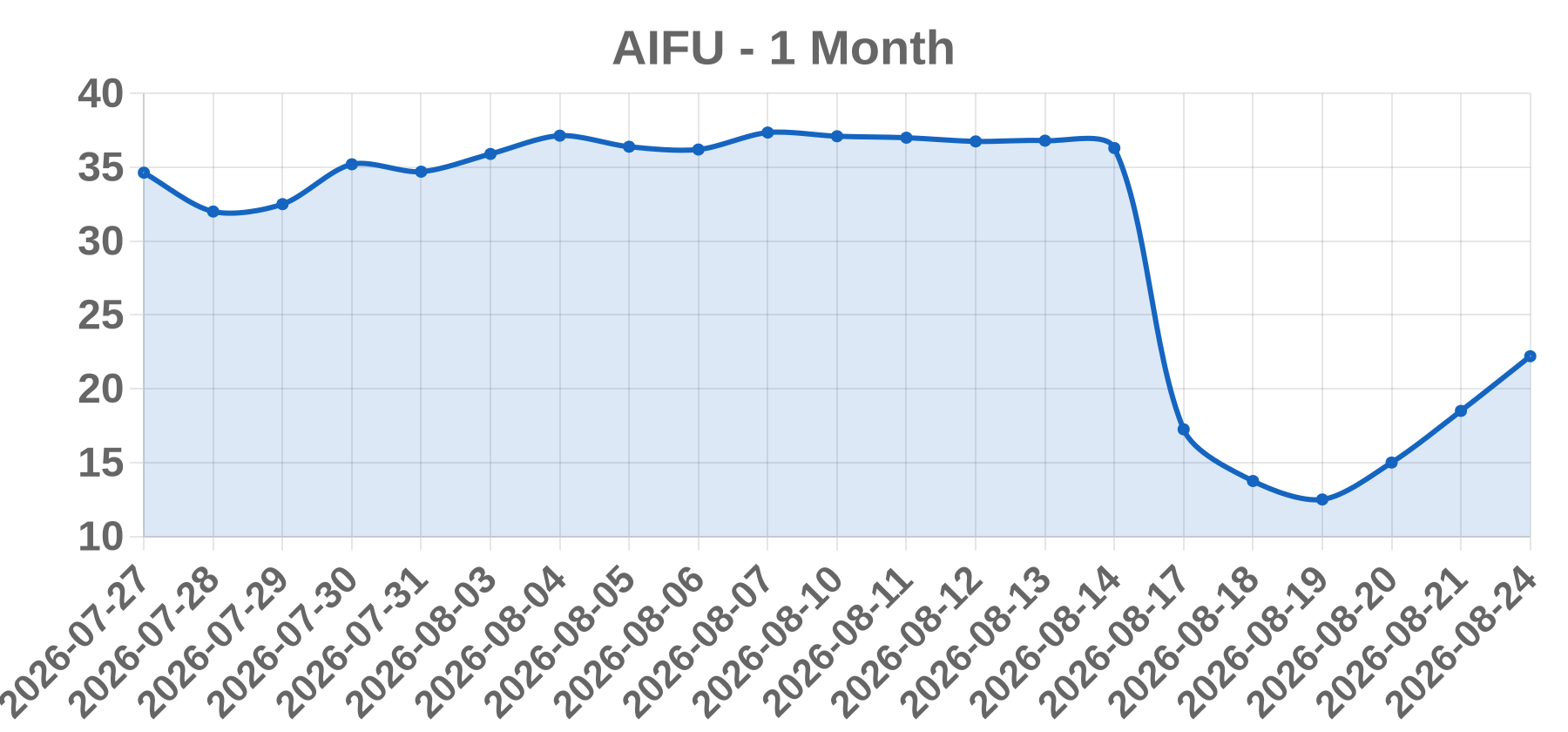
Today’s take The +20.00% close to $22.20 on Aug 24, 2026 was a speculative/rebound leg of an extreme volatility episode, not a fresh company-specific catalyst. On the prior session (Aug 17), AIFU collapsed -52.48% to $17.25 on record volume (~164,000 shares) coinciding with the sudden resignation of CFO Huaguang Huang and appointment of Shanyu Chang. The stock then rebounded sharply: Aug 20 +20% to $15.00, Aug 21 +23.33% to $18.50, then Aug 24 +20.00% to $22.20, trading in a wide $16.98-$27.54 intraday range (open was at the low). finet.com confirms AIFU was the #5 largest U.S.-listed China-stock gainer of the day at +20.00%, alongside other speculative micro-cap Chinese ADRs (BTC Digital +52.63%, Future Vision II +52.62%, Super X AI +23.71%). No earnings, M&A, or analyst-news occurred on Aug 24 itself. With only ~6.18M shares outstanding post-reverse-split and an extremely thin public float, the move reflects a squeeze/momentum-bounce dynamic among low-float Chinese micro-caps following the CFO-change-driven crash.
Business Alvotech (Alvotech SA, NASDAQ: ALVO) is a global biotechnology company focused exclusively on the development and manufacture of biosimilar medicines across autoimmune, eye, bone, and oncology therapeutic areas. Founded in 2013 by Robert Wessman (currently led by CEO Lisa Graver), the company is dual-listed on NASDAQ and Iceland's First North market, headquartered in Luxembourg with principal operations in Reykjavik, Iceland. Five marketed biosimilars currently generate product revenue, including biosimilars to Humira (adalimumab/AVT02), Stelara (AVT04), Simponi, Eylea, and Prolia/Xgeva (denosumab). The pipeline spans 13 disclosed candidates. Recent quarterly data (Q2 2026, reported Aug 19) showed revenue of $106M (down 38.9% YoY) due to a temporary manufacturing slowdown tied to facility
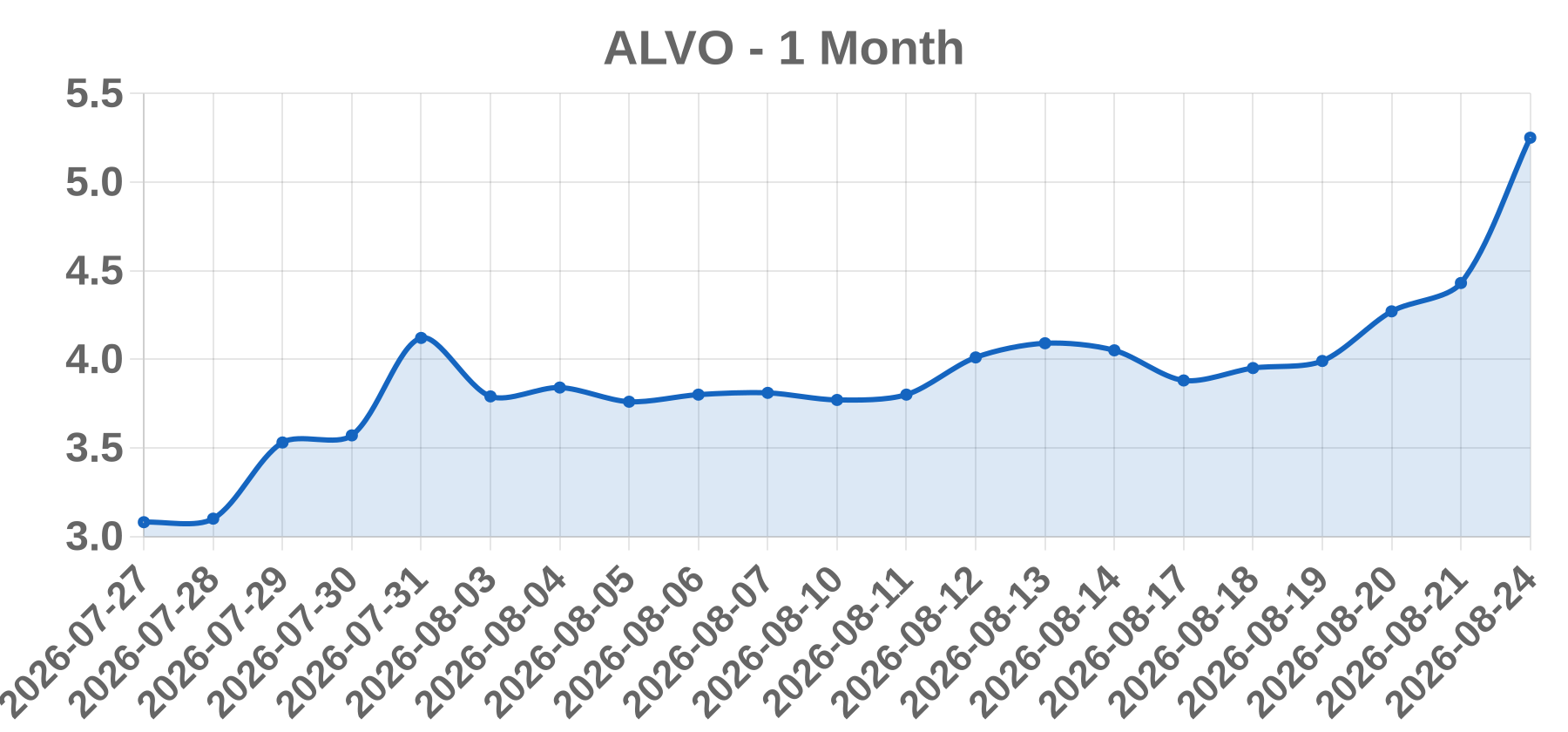
Today’s take On 2026-08-24, ALVO surged +18.51% to close at $5.25 (+$0.82), gapping up to open at $4.79 versus the $4.43 prior close, with a session range of $4.56-$5.36 and volume of ~3.17M shares (roughly 3.4x the ~934K average). The move was driven primarily by a fresh Wall Street endorsement: Bank of America Securities initiated coverage with a Buy rating and a $7.00 price target (≈+58% upside versus prior close), with analyst Jason Gerberry framing the bullish thesis around Alvotech's biosimilar launch cycle - highlighting near-term U.S. catalysts including the launches of Simponi (AVT05) and Eylea SD (AVT06) biosimilars, followed by Entyvio (AVT16); BofA modeled 2026 EPS of ~$0.01, below consensus. The initiation was reinforced the same session by UBS, which reiterated a Buy rating with a $6.00 price target, providing a second confirming bullish analyst data point. This catalyst follows a constructive late-July/early-August narrative: successful closure of the FDA inspection at the Reykjavik manufacturing facility (VAI classification, 'majorly derisked' per Evercore ISI's Aug ~16 Outperform initiation), Q2 results that reaffirmed guidance despite a revenue dip, and the Aug 21 Lotus Pharma
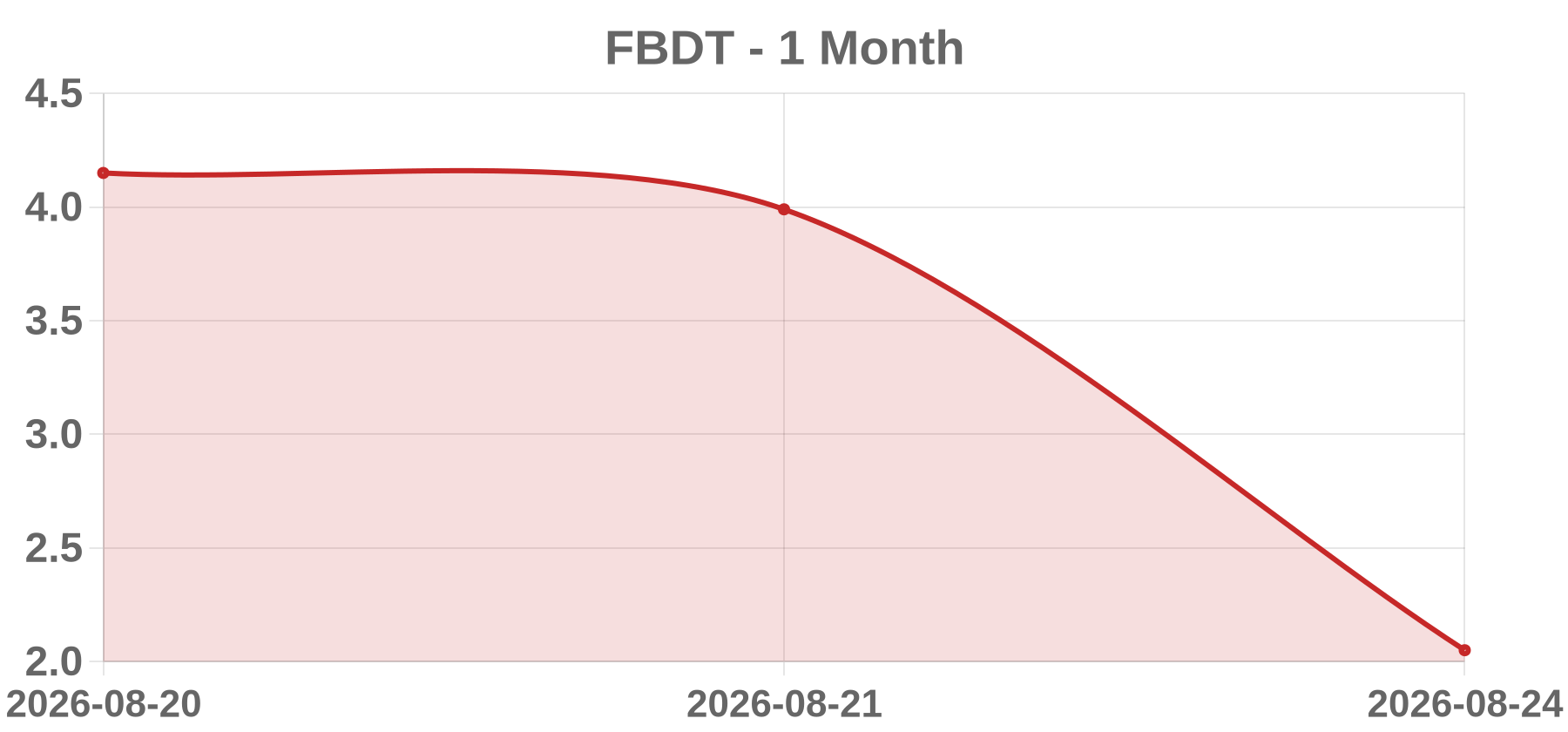
Business First Breach, Inc. (NASDAQ: FBDT) is a vertically integrated ammunition manufacturer serving commercial, law enforcement, and military markets. It produces brass cups, casings, full-metal-jacket projectiles, lead cores and wire, plus loaded ammunition in calibers including .223 Remington, 5.56 NATO, and 9mm, distributed mainly through wholesale channels.
Today’s take FBDT completed a cashless direct listing on Nasdaq on Aug 20, 2026, opening at $12.00 (market cap ~$566M) before collapsing 66% to close at $4.15 on heavy volume of 1,217,200 shares. The Aug 24 -48.62% crash to $2.05 (low $1.99) was the second stage of that unwinding, on volume of ~1.29M shares (vs ~740K average, roughly 1.7x). The fundamental driver is the S-1's own flag that April 2026 Note Investors are 'exempt from any lock-up provisions and may sell the securities acquired...immediately upon the listing,' with senior notes convertible at $8.00/share into ~1.95M shares plus ~961K shares from May 2026 notes and 507K warrants (≈7.6% dilution). Fundamentals are dire: TTM revenue just $634K with a -$26.9M net loss, Altman Z-Score -12.72, Piotroski F-Score 1, gross margin -225%. No company-specific catalyst occurred that day; it was continued liquidation of a massively overvalued, highly unprofitable small-cap, and FBDT was the #2 decliner on the US market as the defense/new-listing complex broadly de-rated (e.g., DFNS -46.58%, FLZH -77.20% the same session).
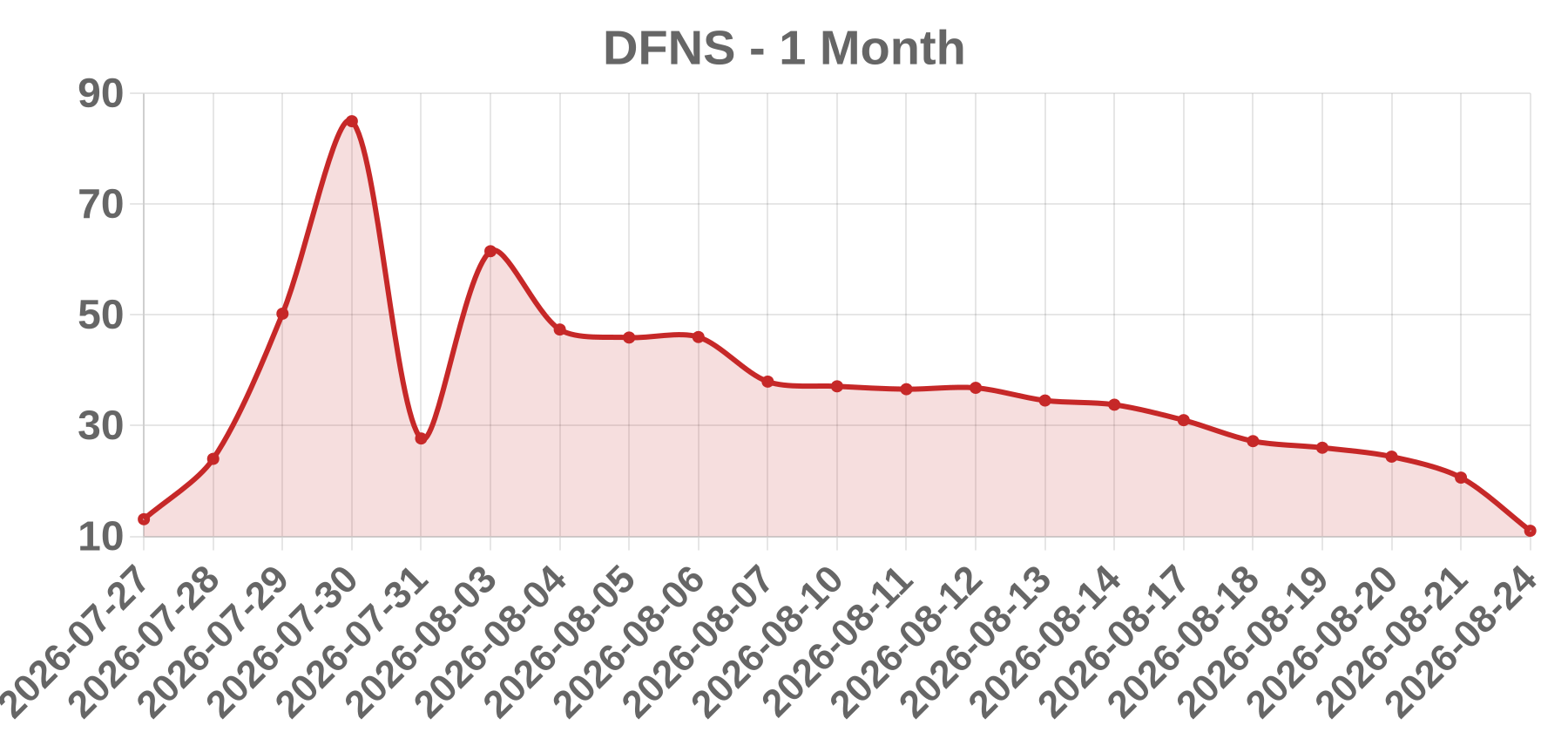
Business T3 Defense Inc. (NASDAQ: DFNS), formerly Nukkleus Inc. and renamed in early 2026, is a defense and aerospace holding company with operations across the US and Israel. Its portfolio businesses develop and supply defense technologies including Iron Dome power generators, GPS-denied navigation systems, 3D mapping, drones/UAVs, and AI-based defense platforms for military and government customers. The stock had suffered a dramatic July collapse (to ~$78 at times intraday on Feb-2026 levels) and underwent a 1-for-125 reverse stock split effective July 20, 2026. Revenue (ttm) is ~$7.65M with a deeply negative net income of -$144.95M and market cap of ~$18.3M on ~1.66M shares outstanding.
Today’s take On August 24, 2026, DFNS plunged -46.58% to close at $11.01 (from $20.61 prior close) on exceptionally heavy volume of ~1.6M shares (near the entire ~1.66M-share float), reflecting a panic selloff. The primary catalyst was the release of the company's delayed Q2 (June 30, 2026) Form 10-Q filing, which exposed catastrophic financials and a Nasdaq delisting threat. The 10-Q was due August 14 but was delayed via an NT 10-Q; the report surfaced around August 21-23 and was fully absorbed by the market on Monday Aug 24. Key disclosures: Q2 revenue of $4.0M missed Noble Capital's $4.5M estimate; net loss from continuing operations was a massive $85.7M ($81.4M total net loss) with a loss per share of $182.80 (reverse-split adjusted); the company issued no press release and held no conference call. The bulk of the loss was a non-cash charge: a $98.958M six-month writedown ($80.884M in Q2) due to the fair value of a common-warrant liability jumping from ~$25.4M at initial recognition to ~$124.4M. Critically, stockholders' equity turned deeply negative at -$19.659M as of June 30 (from +$42.523M on March 31), triggering a Nasdaq delisting notice (Nasdaq Rule 5450(b)(1)(A) requires min $10M sto
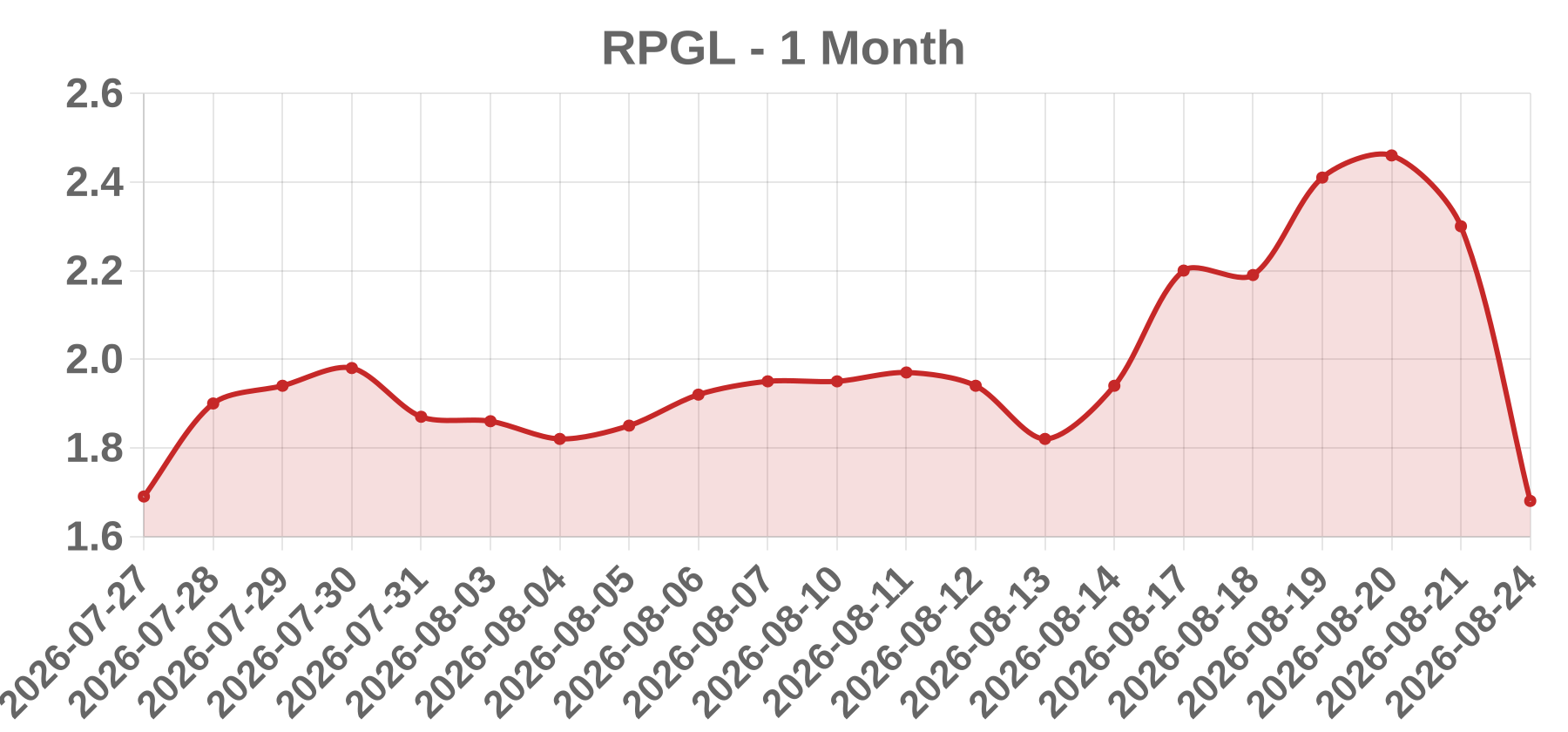
Business Republic Power Group Limited (NASDAQ: RPGL) is a Singapore-based BVI-incorporated provider of customized enterprise resource planning (ERP) software, consulting, technical support, and peripheral hardware to corporate and government clients in Singapore and Malaysia. It operates through subsidiary Republic Power Pte Ltd. and is expanding into blockchain-enabled enterprise software and RWA tokenization.
Today’s take On Aug 24, 2026 the stock fell 26.96% to $1.68 from a prior close of $2.30, trading in a wide $1.44-$2.80 range on volume of ~1.18M shares (about 4x the 20-day average of 298,587). The session coincided with the company's scheduled Aug 24 extraordinary general meeting (EGM, notice filed via SEC 6-K on Aug 10) in Singapore, convening a vote on a sweeping capital-structure overhaul: boosting Class B voting power from 30 to 100 votes per share, capping authorized shares, adopting updated governing documents, authorizing a flexible reverse-split framework (1-for-2 to 1-for-100), and redomiciling from the British Virgin Islands to the Cayman Islands. Adding pressure was a best-efforts dilutive offering (prospectus dated Aug 3, 2026) of up to 15,000,000 Class A shares at $1.00 each for up to $15M gross proceeds. The name is a distressed micro-cap that has undergone multiple reverse splits (1-for-20 Feb 2026, 1-for-40 effective May 28, 2026) and suffered internal accounting discrepancies, a delayed 20-F, and Nasdaq compliance issues. The selloff is event/structural-driven (governance restructuring + dilution overhang), not earnings- or M&A-led.
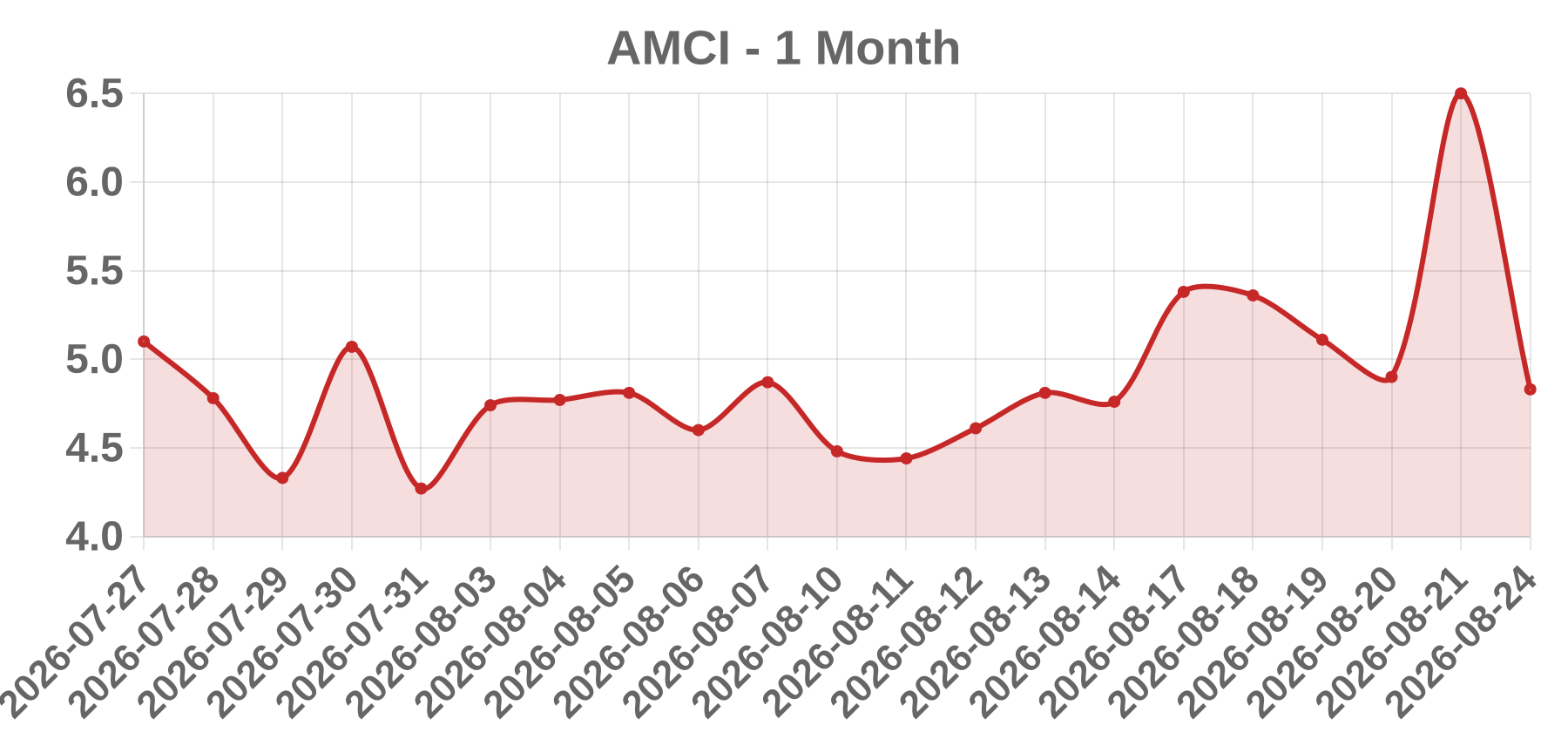
Business AMC Robotics Corporation (Nasdaq: AMCI) is an AI-driven robotics and smart security solutions company that designs and sells autonomous robotic dogs, arms, and unloading systems, plus YI-brand smart cameras and devices for residential and commercial use, logistics automation, and security patrol robotics across North America and Europe.
Today’s take On Aug 21, 2026 AMCI announced a warrant inducement transaction with two investors for up to $2.1M gross proceeds. Investors agreed to exercise existing December 2025 warrants at a reduced exercise price of $1.65 (vs. original $4.017) for $1M immediately, with an option for up to ~$1.1M more within 30 trading days. In exchange, the company will issue up to 1,219,816 new unregistered warrants priced at $5.775 (a 25% premium to the prior close of ~$4.62). The stock surged +32.65% on Friday Aug 21 to $6.50 (range $4.71-$6.69, volume 213,905) as investors initially welcomed the capital infusion for its Vietnam manufacturing facility. However, on Monday Aug 24 the market reversed course, dumping the stock -25.69% from $6.50 to $4.83 (range $4.68-$5.62, volume ~330,000) as traders digested the deeply dilutive terms — a ~66% discount exercise price that sharply increases share count and overhang. The $1.65 exercise represents a massive issuance price far below the ~$4.90 prevailing market, signaling ongoing capital strain for a company that posted Q2 2026 revenue of $937K with a net loss of $175,730, and only $146.9M market cap and $4.91M trailing revenue.
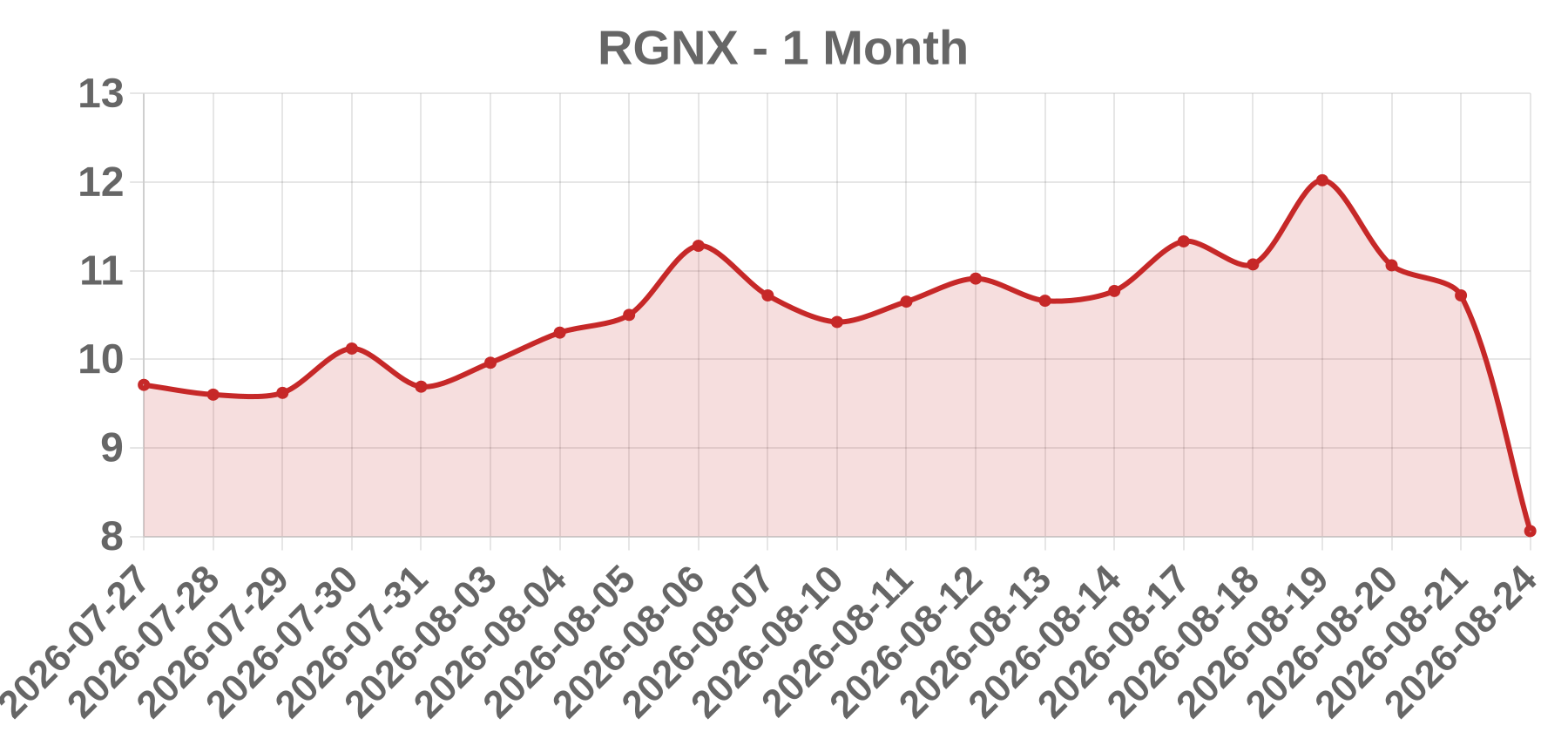
Business REGENXBIO Inc. (NASDAQ: RGNX) is a clinical-stage biotechnology company focused on gene therapy, built on its proprietary NAV Technology Platform, an adeno-associated virus (AAV) gene delivery system. Its pipeline includes RGX-121/clemidsogene lanparvovec for MPS II (Hunter syndrome), RGX-111 for MPS I, RGX-202 for Duchenne muscular dystrophy, and surabgene lomparvovec (with partner AbbVie) for retinal diseases.
Today’s take On August 24, 2026, REGENXBIO shares fell 24.86% to $8.06 (from $10.72 Friday close) after the FDA placed a clinical hold on RGX-121, its gene therapy for MPS II (Hunter syndrome). The hold followed asymptomatic spine MRI findings — small nodules or cystic masses — detected in five participants of the pivotal CAMPSIITE study, who received intracisternal/intraventricular RGX-121 3-6 years earlier. The findings emerged under enhanced brain/spine MRI monitoring implemented after the January 2026 hold on RGX-111 (MPS I) tied to a CNS tumor signal. REGENXBIO said it no longer expects to resubmit the RGX-121 BLA in the near term, after having planned a Q3 2026 refiling following a February rejection. Volume was heavy (~5.27M shares vs. typical turnover) as shares were halted pre-open and resumed sharply lower. Investigators deemed the findings nonserious and likely benign, with no brain masses identified; analysts note other programs (RGX-202 Duchenne BLA targeted for Q3 2026, and the AbbVie-partnered retinal therapy) use different capsids/routes and remain on track.
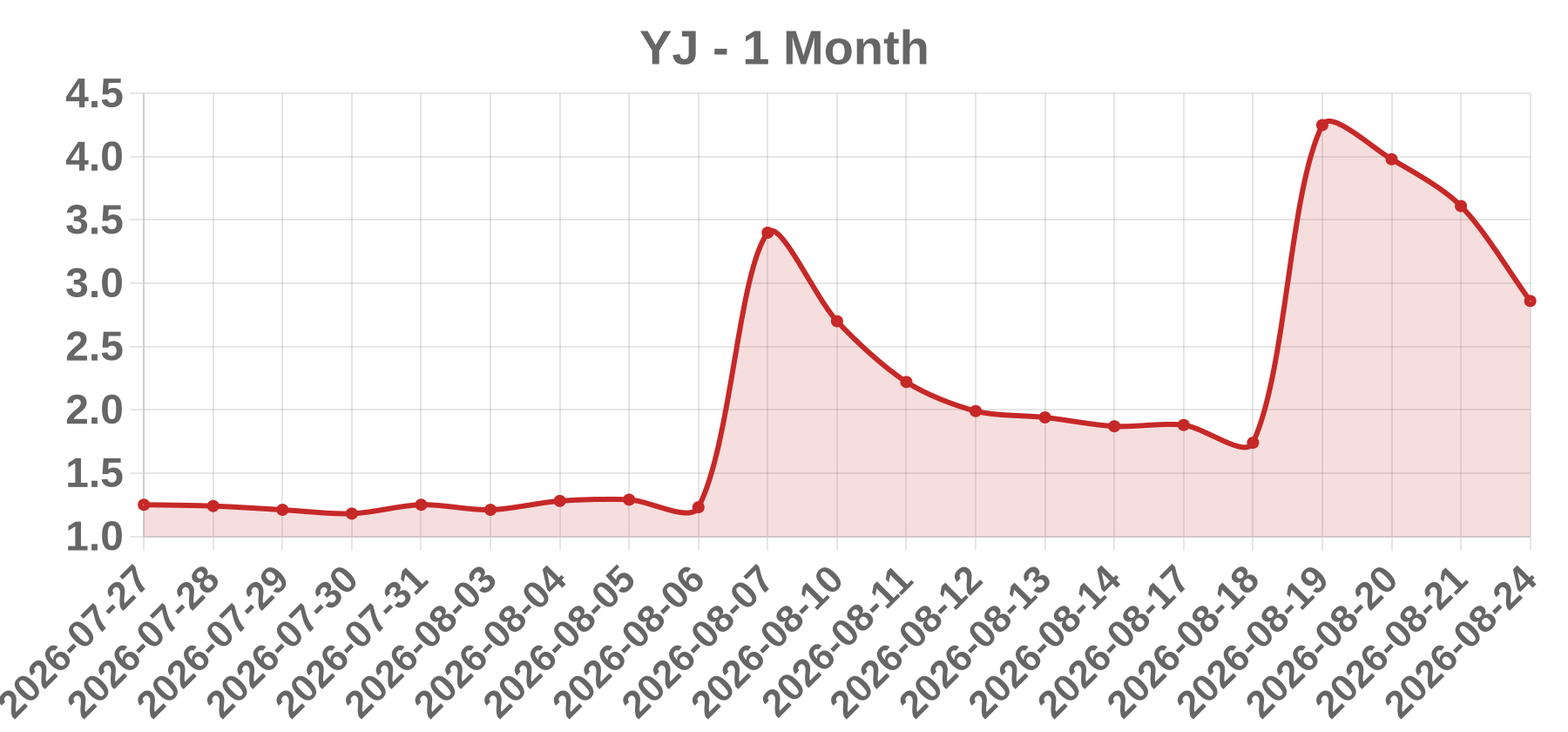
Business Yunji Inc. (NASDAQ: YJ) is a Chinese membership-based social e-commerce platform operating under the Yunji App, offering beauty, health, household goods, apparel, food, and baby products. Founded in 2015 and headquartered in Hangzhou, the company listed on NASDAQ in May 2019.
Today’s take The Aug 24 drop is the continued unwind of an extreme retail/meme penny-stock frenzy, not a fresh negative headline. After trading in a $1.18-$1.45 range in late July, the stock spiked +176% on Aug 7 (to $3.40 on 51M shares) then +144% on Aug 19 (to $4.25 on 128.3M shares vs a ~6,300-share 3-month average daily volume) — classic speculative momentum, possibly aided by confusion with Beijing Yunji Technology (2670.HK), a separate AI/hospitality-robotics firm. Yunji reported H1 2026 (Aug 20) revenue of RMB 96.29M (-39.19% YoY) with attributable net loss of RMB 72.40M (improved 28.11%), confirming continued revenue contraction and losses. Post-earnings, the stock fell -6.35% (Aug 20), -9.30% (Aug 21), and -20.78% on Aug 24 to $2.86, as the bubble deflated. Volume collapsed from 128M to ~511K shares, confirming exhaustion. Weak fundamentals (TTM net loss -$15.45M, ~$14M market cap, $1.47 net cash/share) reasserted after momentum faded.
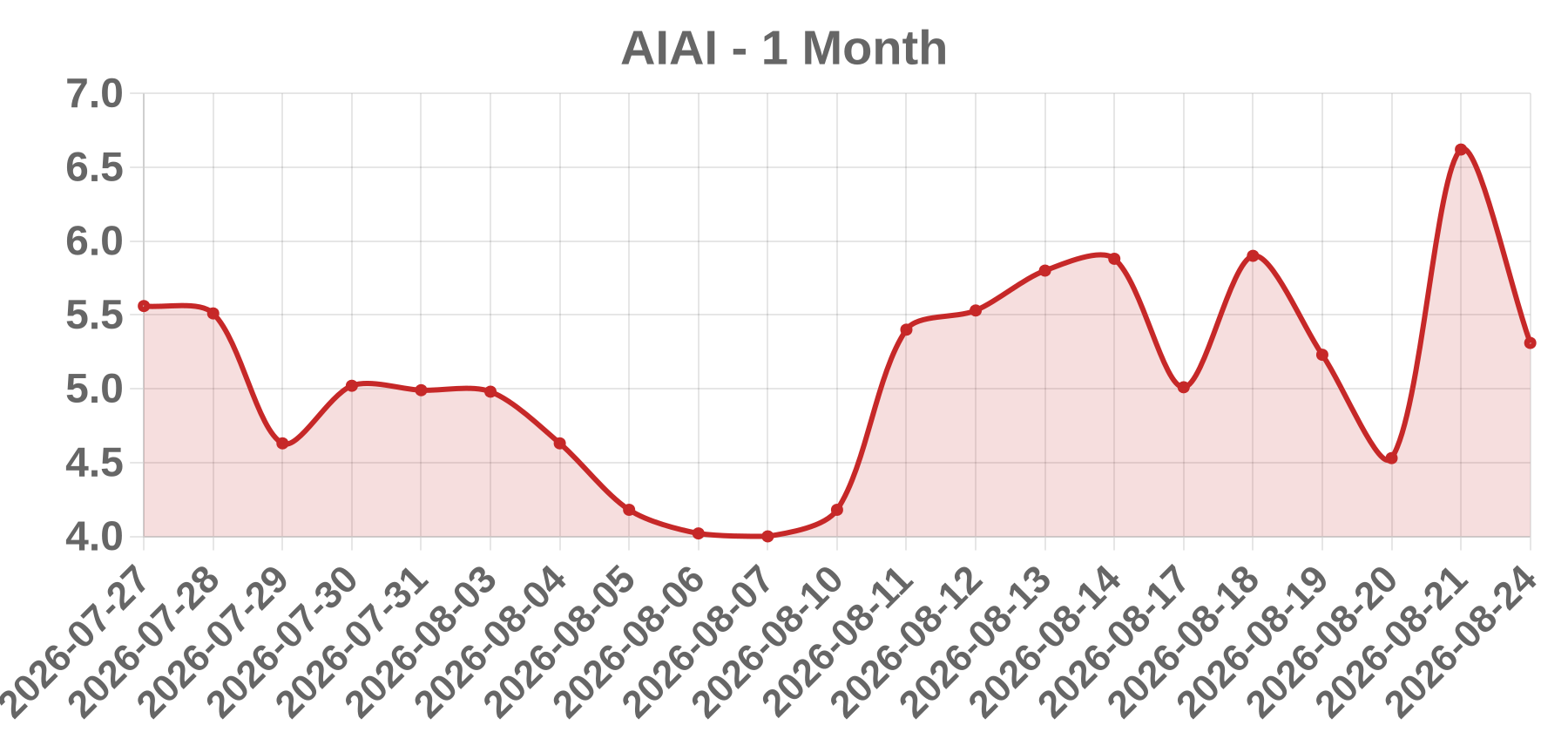
Business AIAI Holdings Corporation (Ai2) (NASDAQ: AIAI) is an AI-enabled diversified holding company that acquires and scales companies across multiple industries by applying exclusively licensed Transformational AI (TAI). Founded 2024 with ~16 employees, it listed on NASDAQ in May 2026 and holds portfolio businesses including C.C. Carlton Industries, Constellation Network, Vanguard Healthcare Solutions, and MediGuide.
Today’s take On August 24, 2026, AIAI announced it is commencing discussions with Messier 42 LLC (M42), an entity controlled by its founder and controlling stockholder John P. Rochon, to acquire a number of M42's existing and targeted businesses spanning defense, intelligence, healthcare, gaming, and rare earth minerals. Because these are related-party transactions, the company will retain an investment banker for a fairness opinion. The market read this negatively: the stock fell 19.79% to close at $5.31 (down from ~$6.62 prior close), continuing a severe downtrend in which shares had already lost roughly 63% over three months and over 74% in twelve weeks since the May 2026 Nasdaq debut near $14-20. Investors appeared concerned about self-dealing governance, deployment of capital into unproven unrelated businesses, and the company's loss-making fundamentals, despite management framing the deals as minimally dilutive.
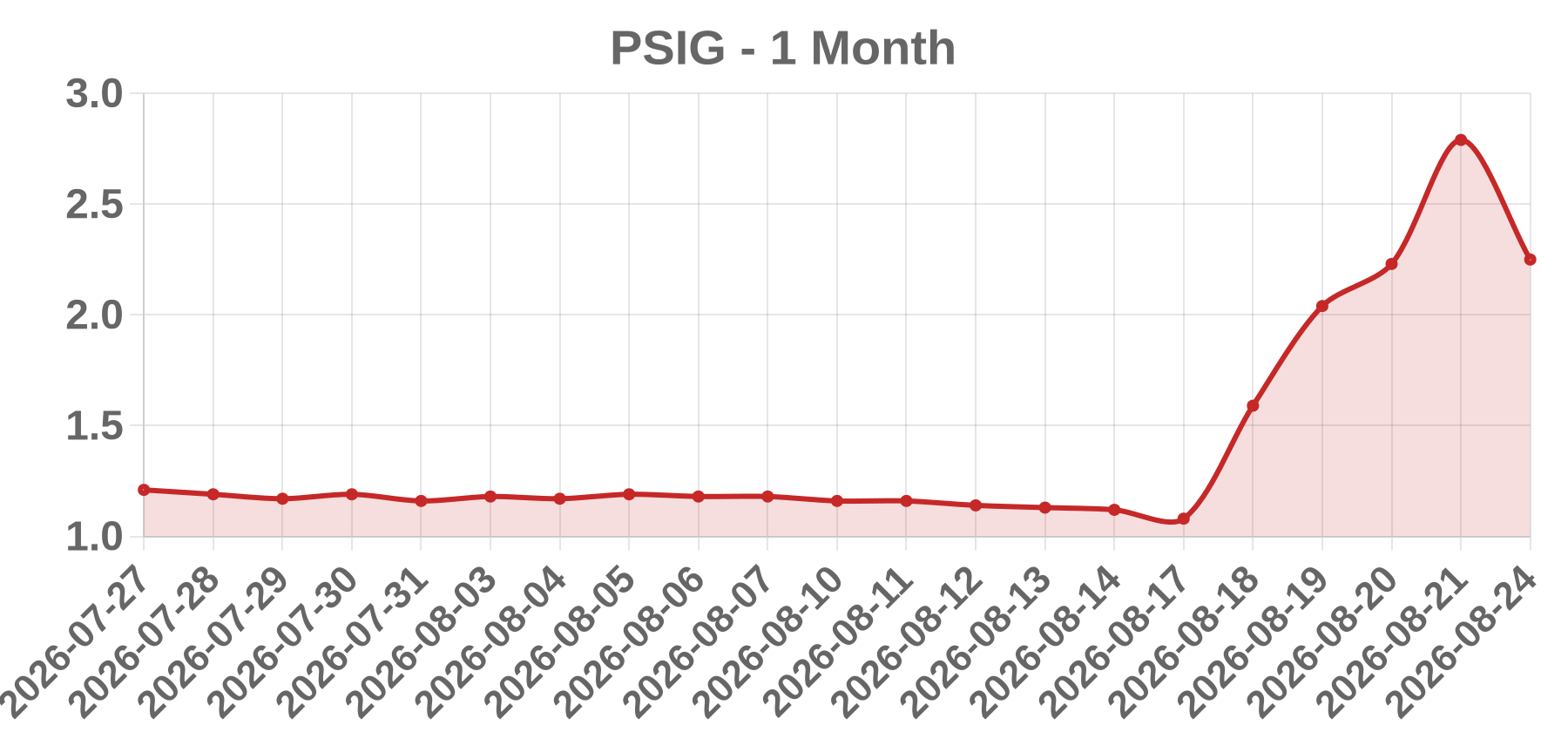
Business PS International Group Ltd. is a Hong Kong-based, Nasdaq-listed (NASDAQ: PSIG) freight forwarding service provider. It offers air and ocean import/export freight forwarding across global networks, with ancillary services such as cargo handling, warehousing, customs brokerage, and shipping-document preparation. Founded in 1993 and headquartered in Kowloon Bay, the company operates one freight-forwarding segment generating the bulk of revenue from air freight, with roughly 28 employees and approximately 15.38 million shares outstanding.
Today’s take The Aug 24, 2026 -19.35% decline to $2.25 was the unwinding of a nonevent-driven, parabolic speculative short-squeeze rally, not a company fundamental catalyst. The stock had surged ~158% in a single week (Aug 17 close $1.08 to Aug 21 close $2.79), with extreme daily moves of +47.2% (Aug 18), +28.3% (Aug 19), and +25.1% (Aug 21) on a low-float (~15.38M shares), heavily-shorted microcap. On Aug 24 the stock opened at $2.98, spiked to a $3.00 high, then collapsed to a $1.23 low before closing at $2.25 on ~775K shares (reported volume of 0 is a data artifact). The backdrop includes a Nasdaq MVLS non-compliance notice received Aug 12 and announced Aug 14, requiring market cap of at least $35M for 10 consecutive days by Feb 8, 2027. With market cap near $34.6M and fragile liquidity (current ratio 0.79, negative TTM net income), the relief rally stalled and reversed intraday as momentum faded, consistent with retail speculative unwinding.
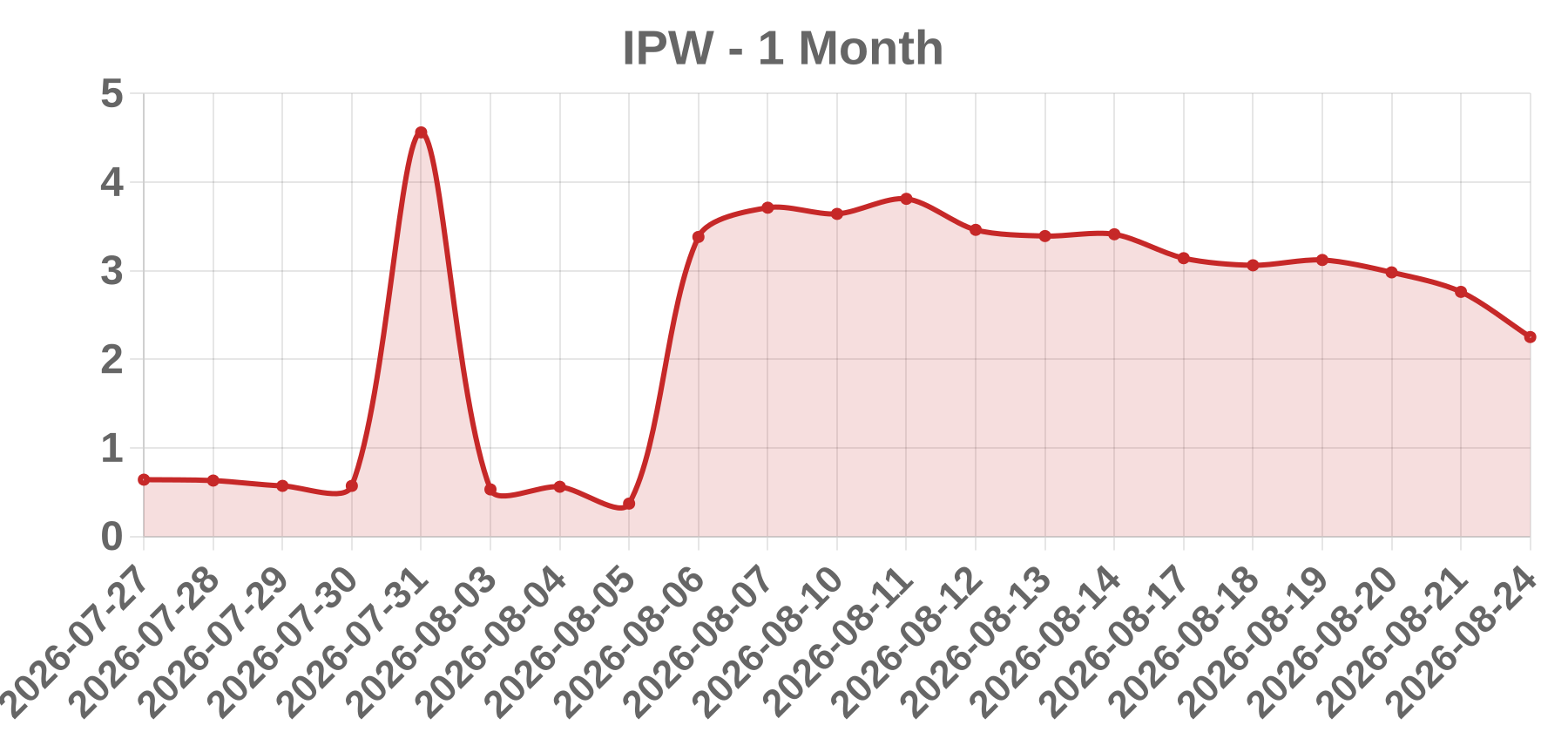
Business iPower Inc. is a technology- and data-driven online retailer and e-commerce supply chain/service provider for third-party products and brands in the United States, selling home, pet, garden, outdoor, and consumer electronics goods. The company is listed on The Nasdaq Capital Market under ticker IPW.
Today’s take IPW fell 18.48% to close at $2.25 on Aug 24, 2026 (open $2.66, day low $2.16, a new 52-week low), from a prior close of $2.76 on volume of 358,516 shares. The drop is a continuation of severe post-split weakness after a 1-for-9 reverse stock split took effect Aug 7, 2026 (following a 1-for-8 split in late May 2026) implemented to defend Nasdaq's $1 minimum bid-price listing requirement. Additional overhang: iPower filed an S-1 on Jul 9 to register up to 27,135,484 resale shares from a $22.4M senior secured convertible note facility, followed by an S-1/A on Aug 18 and a preliminary proxy (Aug 19) seeking approval to issue >20% of shares for the Pacelor acquisition. With only 73,470 shares outstanding and a ~$165K market cap, the stock remains under delisting and dilution pressure; Q3 FY2026 revenue collapsed to $3.5M from $16M YoY with a wider GAAP loss.
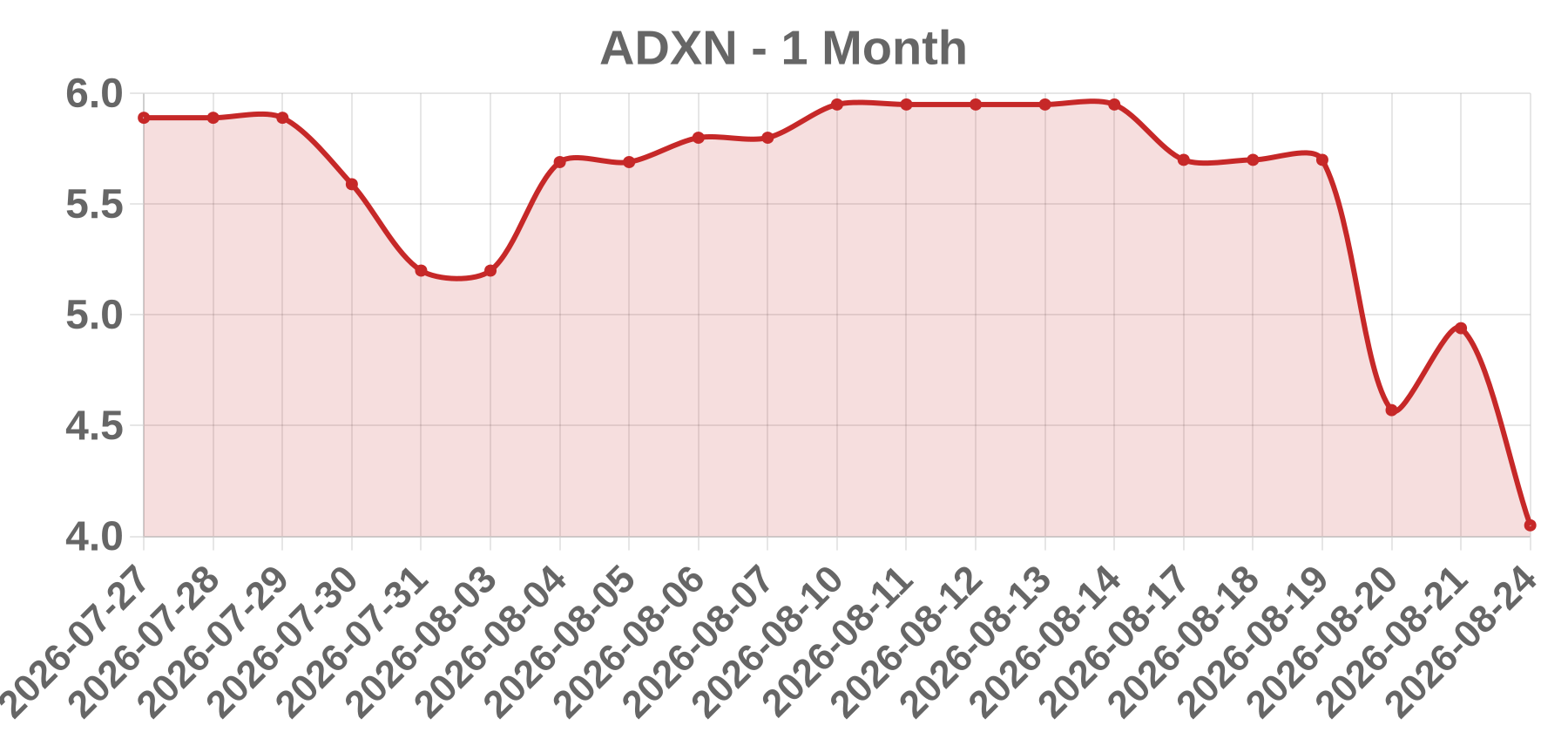
Business Addex Therapeutics (ADXN) is a clinical-stage Swiss biopharmaceutical company, dual-listed on SIX and Nasdaq, focused on discovering and developing small-molecule allosteric modulators targeting G-protein coupled receptors (GPCRs) for neurological and psychiatric disorders. Its lead pipeline includes dipraglurant (an mGlu5 NAM repositioned for post-stroke/TBI recovery and Parkinson's levodopa-induced dyskinesia), a GABAB PAM candidate for chronic cough and pain, and early-stage mGlu4 PAM and mGlu7 programs. After spinning out its neuropsychiatric assets into Neurosterix in 2025, Addex retains a lean, cash-strapped operation with only ~3 employees and essentially no revenue, relying on partnerships and financing to continue operations.
Today’s take ADXN fell 18.02% on 2026-08-24, closing at $4.05 after opening at $4.59 (an immediate gap down from the prior close of $4.94) and trading to an intraday low of $3.76; the stock slipped further to roughly $3.56 in after-hours trading. The decline coincided with the release of the company's H1/Q2 2026 financial results before the market open on August 24, 2026 (confirmed by the stated Earnings Date Aug 24, 2026). The core driver was the company's extreme liquidity crisis. As of Q1 2026, cash and cash equivalents stood at only ~CHF 0.94 million, with a Q1 net loss of CHF 1.71 million; management subsequently raised just CHF 0.3 million in Q2. Both management and auditors have flagged a material going-concern uncertainty, with cash expected to fund operations only through roughly July-to-Q4 2026 on a going-concern basis. The H1 report confirmed the ongoing depletion of cash and the unresolved need for financing or dilution, renewing fears that the company may be unable to continue as a going concern. The stock had already fallen from a 52-week high near $12.05, and this earnings-driven confirmation of near-bankrupt liquidity triggered the sharp single-day selloff.